Build your Japan travel itinerary with tested 7, 10, and 14-day plans.
Planning a Japan travel itinerary is where most people stall out. There are too many cities, too many "must-sees," and every blog wants you to believe you need three weeks to do it right. You don't. Seven days gives you the highlights. Ten days lets you breathe. Fourteen days means you can go deep and still have time for a random detour that becomes the best part of the trip.
These Japan travel trips are built for first-timers spending moderate budgets ($100-$200/day outside flights), but each plan includes budget and premium adjustments. The 7-day hits Tokyo, Kyoto, and Osaka. The 10-day adds Hiroshima and a day trip. The 14-day goes further into the Japanese Alps and off-the-radar cities. Every route is tested against real pricing and logistics data and optimized for minimal backtracking. Zenvoya cross-references hotel rates, rail schedules, and seasonal patterns to keep every plan current. If you want a polished comparison of the transport options between cities, our getting around Japan guide breaks down trains, buses, and flights by route with 2026 pricing.
Quick Overview
Best time to visit: Late March to mid-May (cherry blossoms, mild weather) or October to November (autumn foliage, fewer crowds)
Budget: $65-$125/day budget, $155-$290/day mid-range, $350+/day premium (excluding flights)
Book in advance: JR Pass (1 week+), Kyoto ryokan (2-3 weeks), TeamLab (1 week+), Hiroshima Peace Museum (free, no reservation needed)
Getting around: Japan Rail Pass covers all shinkansen and most JR lines. 14-day pass is ¥50,000 (~$335).
Currency: Japanese Yen (¥). Spring 2026 rate: ~¥149 to $1.
How Do You Pick the Right Itinerary Length?
The right trip length depends on your pace and priorities. Seven days covers Tokyo, Kyoto, and Osaka at a fast clip. Ten days is the most commonly recommended trip length for first-timers, adding Hiroshima and breathing room. Fourteen days lets you explore mountain towns without rushing.
7 Days | 10 Days | 14 Days | |
|---|---|---|---|
Cities | Tokyo, Kyoto, Osaka | + Hiroshima, Miyajima | + Hakone, Takayama or Kanazawa |
Pace | Fast. One main thing per half-day. | Comfortable. Room for wandering. | Relaxed. You will have "do nothing" mornings. |
Best for | First-timers with limited PTO | Couples and friends wanting depth | Families, repeat visitors, slow travelers |
JR Pass | 7-day (¥29,650, ~$199) | 14-day (¥50,000, ~$335) | 14-day + local day passes |
Shinkansen rides | 2 (Tokyo-Kyoto, Kyoto-Osaka) | 4 (+ Osaka-Hiroshima, Hiroshima-Osaka) | 5+ (+ Hakone loop, Alps segment) |
Estimated cost* | $1,100-$2,000 per person | $1,600-$2,900 per person | $2,200-$4,000 per person |
*Costs exclude international flights. Based on mid-range spending (business hotels, sit-down meals, rail pass, 1-2 paid activities per day). JR Pass prices from JR Pass official site, updated 2026.
Seven days works if you are efficient. Ten is the sweet spot for most travelers. Fourteen is where Japan starts to feel less like a highlight reel and more like a place you actually know.
The 7-Day Japan Itinerary
The classic 7-day route covers Tokyo (3 days), Kyoto (2 days), and Osaka (2 days), connected by shinkansen bullet trains. This golden triangle gives you modern city energy, traditional temples, and Japan’s best street food in one compact trip.
Days 1-3: Tokyo
Tokyo alone could fill a week. For a deeper neighborhood-by-neighborhood breakdown, see our guide to things to do in Tokyo.
Day 1: Arrival and East Side
You will land at Narita or Haneda. Narita Express to central Tokyo takes about 60 minutes (¥3,070, ~$21). If you arrive before noon, head straight to Asakusa. Senso-ji temple is Tokyo’s oldest (founded 645 AD), and the Nakamise shopping street leading to it has been selling street food and souvenirs since the 18th century. Grab melon pan from one of the stalls, then walk 15 minutes south to the Tokyo Skytree (¥2,100 for the Tembo Deck, ~$14) for sunset views.
Dinner: Hoppy Street in Asakusa. It is an alley of tiny yakitori bars where locals have been drinking since the postwar era. Expect to spend ¥2,000-¥3,000 (~$13-$20) per person including drinks.
Pro tip: Activate your JR Pass the day AFTER arrival. Day 1 is all Tokyo local transit (not covered by JR Pass), so you would waste a day. A Suica/Pasmo IC card works for Tokyo’s subways and buses.
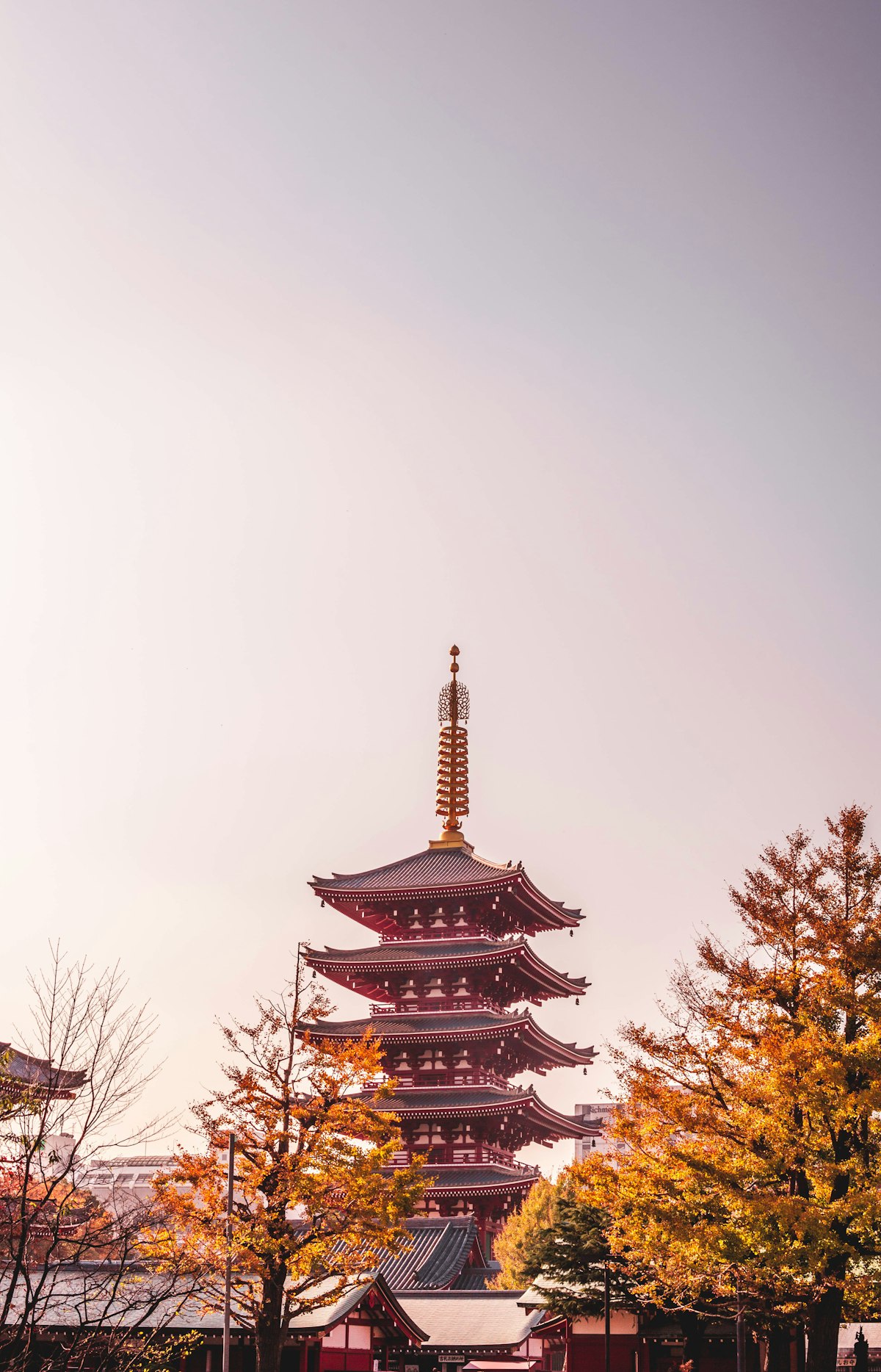
Senso-ji’s thunder gate welcomes visitors to Asakusa. Photo by Charles Postiaux on Unsplash
Day 2: West Side and Pop Culture
Start in Shinjuku at the Tokyo Metropolitan Government Building (free observation deck, 202 meters up, opens 9:30 AM). Then walk 20 minutes to Harajuku for Takeshita Street, which is exactly as chaotic as it looks on TikTok. Meiji Shrine is a 5-minute walk from there and feels like stepping into a forest in the middle of the city. The contrast is jarring in the best way.
Afternoon: Shibuya. Cross the famous scramble crossing (busiest in the world, up to 3,000 people per cycle), explore the backstreets of Shibuya Center-gai, and hit Shibuya Sky (¥2,000, ~$13) for rooftop views at golden hour.
Evening: Shinjuku Golden Gai. Roughly 200 bars crammed into six tiny alleys. Most seat 6-8 people. Some charge a cover (¥500-¥1,000). Pick one that looks interesting and sit down. You will end up talking to someone from another country within 10 minutes.
Day 3: Akihabara, Teamlab, and Food
Morning in Akihabara if you are into gaming, anime, or electronics. Even if you are not, it is worth walking through for the sensory experience. Then head to TeamLab Borderless at Azabudai Hills (¥3,800, ~$26, book online in advance). Plan for 2-3 hours inside. This is not a museum you rush through.
Afternoon: Tsukiji Outer Market (the old wholesale market moved to Toyosu in 2018, but the outer market’s 400+ food stalls stayed). This is where you get the best tamagoyaki (Japanese rolled omelet, ¥300-¥500 per stick), fresh uni (sea urchin, ¥500-¥1,500 depending on grade), and tuna skewers. The market gets crowded after 11 AM, so arriving by 10 gives you the best experience.
Dinner: Pick a ramen shop in Shinjuku. Fuunji for tsukemen (dipping ramen where you dip cold noodles into a concentrated broth) is consistently ranked among Tokyo’s best by local food publications. Expect a 20-40 minute wait at peak hours. The line moves fast and it is worth it. If the wait is too long, Menya Musashi (also in Shinjuku) is a solid backup with shorter lines and excellent tonkotsu broth.
Days 4-5: Kyoto
Getting there: Shinkansen from Tokyo Station to Kyoto. Nozomi takes 2 hours 15 minutes (¥13,320, ~$89 one way, covered by JR Pass if you take Hikari instead: 2 hours 40 minutes).
Day 4: Eastern Kyoto
Start at Fushimi Inari at 7 AM. The full hike through all 10,000 torii gates to the summit takes about 2 hours and most people turn around at the first viewpoint (30 minutes up). Go to the top. It is quieter and the views are better.
After lunch (try Kyoto-style ramen at Shinpuku Saikan near Kyoto Station, ¥850), head to Higashiyama. Walk the Ninenzaka and Sannenzaka slopes, visit Kiyomizu-dera (¥400, ~$2.70), and explore the pottery shops.
Evening: Gion district. Walk along Hanamikoji Street around 5-6 PM for the best chance of seeing geisha (called geiko in Kyoto) heading to evening engagements. Do not chase or photograph them up close; it is considered rude and Gion now has signs asking tourists to be respectful. Dinner at Pontocho Alley, a narrow lane along the Kamo River lined with restaurants. Some have riverside terraces (kawadoko) open from May to September where you eat overlooking the water. Expect to pay ¥3,000-¥6,000 (~$20-$40) for a solid dinner with drinks.
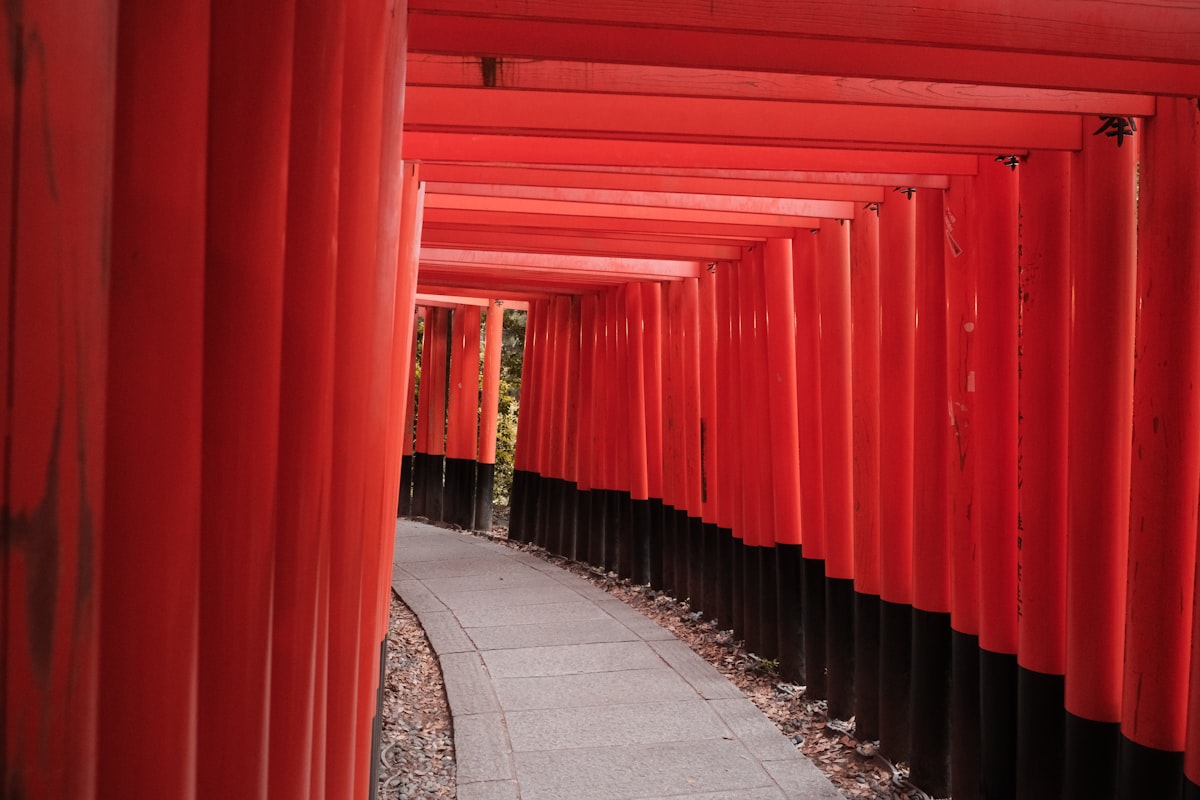
Fushimi Inari’s endless torii gate tunnel in Kyoto. Photo by Adam Wilson on Unsplash
Day 5: Western Kyoto
Arashiyama bamboo grove first thing (by 8 AM, before tour groups arrive). Walk through to Tenryu-ji temple (¥500, ~$3.40), one of Kyoto’s five great Zen temples. Then take the short walk to Iwatayama Monkey Park (¥550, ~$3.70) where about 120 Japanese macaques roam a hilltop with panoramic city views.
Afternoon: Kinkaku-ji (Golden Pavilion, ¥500) and Ryoan-ji (¥500) are both in northwestern Kyoto, about 15 minutes apart by bus. The rock garden at Ryoan-ji is one of the most photographed zen gardens in the world, and it is smaller than you expect.
Evening: Nishiki Market closes around 5 PM, so get there by 3 PM if you want to graze through the 130+ food stalls. Try yuba (tofu skin, a Kyoto specialty) and matcha everything.
Days 6-7: Osaka
Getting there: JR Special Rapid from Kyoto to Osaka takes 29 minutes (covered by JR Pass).
Day 6: Food and Culture
Drop your bags at the hotel and go straight to Dotonbori. Osaka is Japan’s food capital, and Dotonbori is ground zero. Start with takoyaki from Wanaka (¥500-¥800 for 8 pieces), the crispiest version in the city with a creamy center that is almost molten. Then kushikatsu (deep-fried skewers) from Daruma, one of Osaka’s oldest kushikatsu chains operating since 1929. Finish with okonomiyaki from Mizuno (prepare for a 30-45 minute line, but they let you watch the chefs work the griddle while you wait).
Afternoon: Osaka Castle (¥600, ~$4). The castle itself is a concrete reconstruction (the original burned down multiple times), but the museum inside and the surrounding park are worth 2 hours. The view from the 8th floor observation deck is solid.
Evening: Shinsekai district. It looks like a retro theme park but it is actually a working neighborhood. The kushikatsu here is better and cheaper than Dotonbori. Janjan Yokocho, a covered arcade nearby, is worth exploring.
Day 7: Departure or Day Trip
If your flight is from Kansai International (KIX), you have the morning free. Options: Kuromon Market (opens 8 AM, nicknamed "Osaka’s Kitchen"), or take a 45-minute train to Nara to see the 1,200+ wild deer roaming Nara Park and the Great Buddha at Todai-ji (¥600, ~$4), the largest bronze Buddha in Japan.
Extending to a 10-Day Japan Trip
Adding three days to the golden triangle opens up Hiroshima, Miyajima Island, and a proper Nara excursion. You also get an extra Kyoto day, which means Nara moves from a rushed Osaka side trip to a full-day outing it deserves.
Take the 7-day plan above and add three days: one extra in Kyoto, two for Hiroshima and Miyajima Island.
Day 6 (Extra): Kyoto Day Trip to Nara
Move Nara from the Osaka day trip to a dedicated Kyoto day. Train from Kyoto to Nara: 45 minutes by JR Nara Line (covered by JR Pass).
Morning: Nara Park first. The 1,200+ wild sika deer here are designated "national treasures" and have been roaming freely since the 8th century. You can buy deer crackers (shika senbei, ¥200) from vendors around the park. The deer have learned to bow for food, which is charming until five of them corner you at once.
Walk to Todai-ji (¥600, ~$4), home to the Great Buddha Hall (Daibutsuden), the largest wooden building in the world. The bronze Buddha inside stands 15 meters tall and weighs roughly 500 tons. The scale is genuinely hard to process until you are standing in front of it.
Afternoon: Kasuga Grand Shrine (free grounds, ¥500 for inner sanctum) is a 15-minute walk through a path lined with 3,000 stone and bronze lanterns. Then explore Naramachi, the old merchant district where converted machiya townhouses now house cafes, craft shops, and small galleries. Get lunch at Kamaiki for handmade udon in a converted warehouse.
This frees up your Osaka days to actually enjoy Osaka instead of rushing through a day trip on your last morning.
Days 8-9: Hiroshima and Miyajima
Getting there: Shinkansen from Osaka to Hiroshima: 1 hour 30 minutes (covered by JR Pass).
Day 8: Hiroshima
Morning: Peace Memorial Park and Museum first (museum ¥200, ~$1.35, plan 3+ hours). The museum was fully renovated in 2019 with survivor testimonies, interactive displays, and preserved artifacts from August 6, 1945. It is heavy but essential. Take your time here. Most visitors say it is the single most impactful experience of their Japan trip.
Afterward, walk through the park. The A-Bomb Dome (Genbaku Dome) stands exactly as it did after the blast, preserved as a UNESCO World Heritage Site since 1996. The Children’s Peace Monument, topped by a statue of Sadako Sasaki holding a golden crane, is surrounded by cases filled with paper cranes sent from schools worldwide.
Afternoon: Head to Okonomimura, a 4-story building near Peace Park with 24 Hiroshima-style okonomiyaki vendors. Hiroshima’s version is layered (not mixed like Osaka’s) with yakisoba noodles, shredded cabbage, egg, pork belly, and a generous drizzle of sweet brown sauce. Third floor, any stall. You are good. Expect to pay ¥900-¥1,300 (~$6-$9) per serving.
Evening: Hiroshima’s Nagarekawa district is the city’s main entertainment area. It is smaller and mellower than Osaka’s Dotonbori but has solid izakayas and bars. Try Hiroshima’s local tsukemen (cold dipping ramen with a spicy broth) at Bakudanya, a local chain with a cult following.
Pro tip: Hiroshima is flat and compact. Rent a bike from the hotel or a cycle share station (¥1,000/day, ~$6.70). You can cover the entire city center in a few hours.
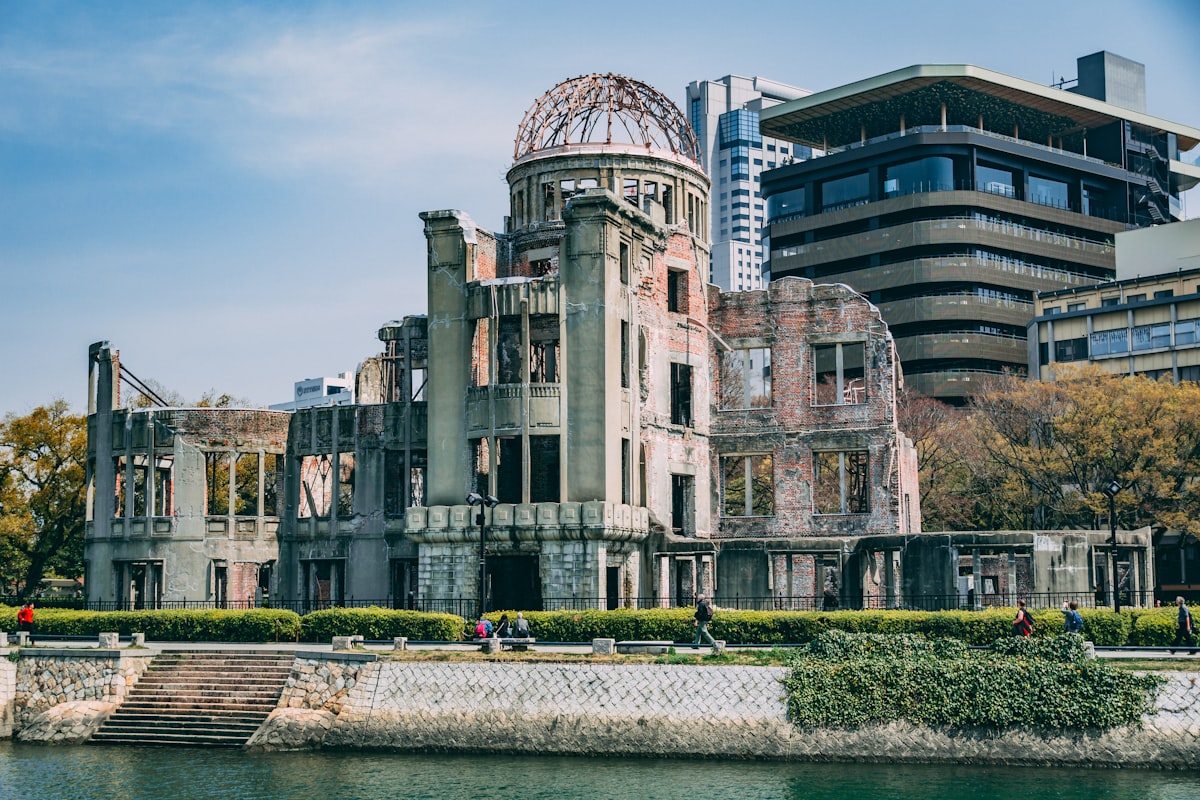
Hiroshima’s A-Bomb Dome, preserved since 1945. Photo by Bjorn on Unsplash
Day 9: Miyajima Island
Ferry from Hiroshima Port to Miyajima: 1 hour (or 25 minutes by JR ferry from Miyajimaguchi, covered by JR Pass). The floating torii gate of Itsukushima Shrine, a UNESCO World Heritage Site since 1996 that draws over 6 million visitors per year, is the main draw. Visit at both low tide (walk right up to the gate) and high tide (when it appears to float).
Hike Mt. Misen (535 meters). You can take the ropeway up (¥1,800 one way, ~$12) and walk down, which takes about 90 minutes. The wild deer on Miyajima are friendlier (and more aggressive about your snacks) than Nara’s.
Catch the ferry back and take the shinkansen to Osaka for your final day.
Day 10: Osaka (Departure)
Your final day in Osaka. If you skipped Kuromon Market earlier, hit it now (opens 8 AM). Walk through the 600-meter covered arcade and eat your way through the stalls: fresh sashimi, grilled seafood skewers, tamago on a stick, and matcha soft serve. The tuna cheek stalls near the center are the move.
If you have already done Kuromon, spend the morning in Amerikamura (American Village), Osaka’s youth culture hub with vintage shops, record stores, and the best people-watching in the city. Grab a melon cream soda at one of the retro kissaten (coffee shops) before heading to Kansai International for your flight.
The 14-Day Japan Itinerary
Two weeks in Japan builds on the 10-day plan by adding Hakone (Mt. Fuji views and hot springs) plus either Takayama or Kanazawa in the Japanese Alps. At this pace, you will have full mornings free for wandering with no pressure to rush between landmarks.
Day 2 (Modified): Tokyo to Hakone Day Trip
On Day 2 of the Tokyo block, swap the Shibuya/Harajuku day for a Hakone day trip. Odakyu Romance Car from Shinjuku: 85 minutes (¥2,330, ~$16). The Romance Car has large windows and forward-facing seats that make the ride feel more scenic than a regular commuter train.
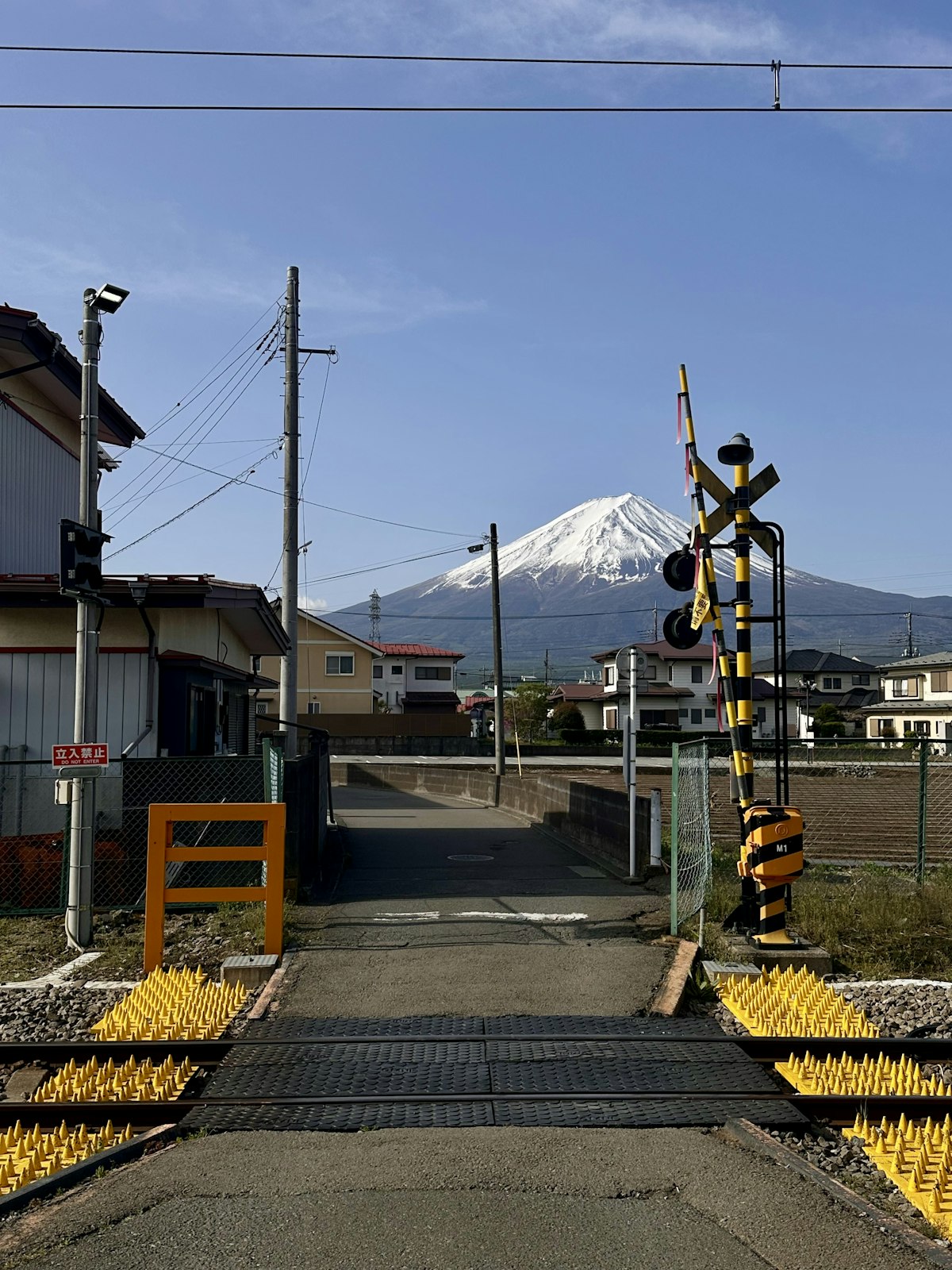
Do the Hakone Loop in order: cable car up to Owakudani (volcanic hot springs where sulfur vents steam year-round, buy the famous black eggs boiled in the sulfuric water at ¥500 for 5), pirate ship across Lake Ashi (30 minutes, included in Hakone Free Pass), then the Hakone Ropeway for aerial views. On clear days, Mt. Fuji fills the horizon from the ropeway. Check the weather forecast the night before: Fuji is visible roughly 30-40% of days, with winter and early morning offering the best odds.
Return to Tokyo in the evening via Romance Car. You still have Day 3 for the west side neighborhoods (Harajuku, Shibuya, Shinjuku).
Pro tip: Buy the Hakone Free Pass (¥6,100 from Shinjuku, ~$41) which covers the Romance Car, all loop transport, and local buses for 2 days. Even for a day trip, it saves money over buying individual tickets.
Takayama or Kanazawa: How to Choose
Both are excellent additions to a two-week Japan trip, but they offer very different experiences. Takayama is a mountain village with Edo-period streets and Hida beef. Kanazawa is a coastal city with world-class gardens and contemporary art.
Option A: Takayama (Japanese Alps)
Train from Osaka via Nagoya: about 4 hours total. Takayama has preserved Edo-period streets (Sanmachi Suji) dating to the 1600s, morning markets running since 1820, and some of the best beef in Japan. Hida beef rivals Kobe at roughly 30% less cost.
Day 1: Explore Sanmachi Suji’s sake breweries and craft shops. Visit the Takayama Jinya (¥440, ~$3), the only remaining feudal-era government building in Japan. Evening at a local izakaya for Hida beef.
Day 2: Morning market at Jinya-mae (6 AM to noon). Afternoon day trip to Shirakawa-go (50 minutes by bus, ¥2,600 round trip), a UNESCO World Heritage village inscribed in 1995 for its thatched-roof gassho-zukuri farmhouses. The views from the Shiroyama viewpoint are postcard-perfect.
Option B: Kanazawa (Sea of Japan Coast)
Hokuriku Shinkansen from Osaka: 2 hours 30 minutes (covered by JR Pass). Kanazawa has Kenroku-en (¥320, ~$2.15), consistently rated one of Japan’s three most beautiful gardens. The 21st Century Museum of Contemporary Art (¥470 for collection, ~$3.15) is architecturally stunning and kid-friendly.
Day 1: Kenroku-en in the morning, 21st Century Museum after lunch, Higashi Chaya (geisha district) in the evening. The Omicho Market, which locals have used since 1721, is excellent for fresh sashimi bowls.
Day 2: Nagamachi samurai district, D.T. Suzuki Museum (¥310, ~$2.10, a zen meditation space), and Myoryuji (the "Ninja Temple," ¥1,000, reservation required).
Takayama | Kanazawa | |
|---|---|---|
Vibe | Mountain village, traditional | Coastal city, art + history |
Food highlight | Hida beef, morning markets | Fresh seafood, sushi |
Must-see | Shirakawa-go (UNESCO) | Kenroku-en garden |
Getting there from Osaka | 4 hours (train via Nagoya) | 2.5 hours (shinkansen) |
Best for | Nature lovers, slow travelers | Art lovers, families |
Daily budget (mid-range) | $120-$180 | $130-$200 |
Source: Compiled from JR official fare data, prefecture tourism boards, and published 2026 hotel/restaurant pricing.
Days 13-14: Final Osaka Days and Departure
Day 13: Return to Osaka for your final full day. By now you have been on the road for almost two weeks, so let this day be unstructured. Sleep in. Some options if you want direction:
If you skipped Nara earlier, take the 45-minute train for a half-day with the deer and Todai-ji. If you have already been, explore Tennoji and Abeno Harukas (Japan’s tallest building at 300 meters, observation deck ¥1,500, ~$10). The Harukas 300 observation deck has floor-to-ceiling glass and a rooftop helipad you can walk on. Or just eat your way through Shinsekai, Tsuruhashi (Osaka’s Korean Town with the best yakiniku in the city), and whatever neighborhood catches your eye.
Day 14: Last-minute shopping in Shinsaibashi, Osaka’s main shopping arcade that stretches for 600 meters. Pick up omiyage (souvenir gifts, an important custom in Japanese culture) at the basement food halls of any department store. Tokyo Banana and regional Kit Kat flavors are the safe bets. Then head to Kansai International (KIX), about 50 minutes by Nankai Rapi:t limited express (¥1,450, ~$10).
What to Book Ahead vs. Wing
For any Japan trip, most temples, shrines, markets, and neighborhood walks need zero reservations. But certain tickets and accommodations sell out weeks ahead, especially during cherry blossom (late March to mid-April) and autumn foliage (October to November) seasons. According to the Japan National Tourism Organization, Japan welcomed over 36 million international visitors in 2025, a record that is making advance booking more important than ever.
Book Ahead | How Far | Why |
|---|---|---|
JR Pass | 1+ week before departure | Activation at airport. As of 2024 you can buy in Japan, but at a higher price. |
TeamLab Borderless | 1+ week | Sells out, especially weekends |
Kyoto ryokan (if staying) | 2-3 weeks | Popular ones book fast in cherry blossom and fall foliage season |
Shinkansen seat reservations | Day of or day before | Free with JR Pass. Not required but recommended for peak hours (7-9 AM, 5-7 PM). |
Hotels | 2-4 weeks | Prices increase closer to the date, especially in Tokyo and Kyoto |
Miyajima ropeway | Day of | Rarely sells out |
Restaurants (high-end) | 1+ month | Omakase spots in Tokyo and Kyoto book out fast |
How to Plan Your Japan Itinerary Step by Step
Follow these steps to turn the itinerary templates above into a concrete trip plan tailored to your dates and budget.
Step 1: Pick Your Trip Length
Decide between 7, 10, or 14 days based on the comparison table at the top. If you have 8 or 9 days, follow the 7-day plan and add an extra day in whichever city excites you most.
Step 2: Choose Your Travel Dates
Check the seasonal calendar. Late March to mid-May (cherry blossoms) and October to November (fall foliage) are peak but worth the crowds. June is rainy season with lower prices. Late January to mid-March is the cheapest window.
Step 3: Book Non-Negotiables First
Purchase your JR Pass at least one week before departure. Reserve your Kyoto ryokan and TeamLab tickets 2-3 weeks out. Lock in hotels 2-4 weeks ahead.
Step 4: Map Your Daily Route
Use the day-by-day itinerary above as your framework. Each day’s activities are grouped geographically to minimize backtracking. Adjust based on your interests: if you are a food person, swap a temple visit for a market morning. If you are traveling with kids, add more park time and cut evening activities.
Download Google Maps offline for Japan before you leave. Cell service is reliable but having offline maps means you are never stuck. Alternatively, rent a portable Wi-Fi router at the airport (¥500-¥1,000/day, ~$3.35-$6.70) for unlimited data across all your devices.
Step 5: Leave Room for Spontaneity
Block one "free morning" per city with no fixed plans. The best Japan moments (a shrine you stumble into, a ramen shop with a line around the corner, a festival happening two blocks from your hotel) happen off-script. Travelers consistently report that their favorite memories came from unplanned detours, not the must-see checklist.
Ready to Build Your Japan Itinerary?
The hardest part of planning a Japan trip is narrowing it down. You could spend a month and still not see everything. That is actually the point, though. Japan is the kind of place you will come back to.
If the planning part is what is holding you up, Zenvoya’s AI trip planner can build a custom route around your dates, budget, and travel style. Tell it you want 10 days, mid-range, heavy on food. The AI trip planner maps the logistics so you can focus on the fun parts.
For more on getting between cities, see our Japan transportation guide. And for planning across multiple international destinations, the how to plan an international trip framework covers the end-to-end steps.