
OTAs, booking direct, credit card travel portals, membership rates, and AI travel apps compared, so you know which one finds the lowest hotel rate for your trip.
Same hotel, same night, five different prices. You've seen it: the rate on Booking.com doesn't match the hotel's own site, which doesn't match what your credit card portal shows, which doesn't match the price your friend swears she paid last month. Finding the lowest hotel rates isn't about one magic site. It's about knowing which method tends to win in which situation, and checking two or three before you commit. This piece compares every real way to book: online travel agencies, booking direct, credit card travel portals, membership and deal tools, and AI-powered booking with Zenvoya. The honest answer to "what's the cheapest way to book a hotel" is that it depends, and we'll show you exactly what it depends on. If your goal is to travel for less without spending an hour in a dozen browser tabs, you'll leave knowing where to look first.
How Hotel Pricing Actually Works
Before the comparison, a quick mental model. Most major hotel brands enforce rate parity, meaning they require third-party sites to show the same public rate the hotel does. That's why prices look identical across so many sites. The differences sneak in elsewhere: members-only or logged-in rates, package deals that bundle a hotel with a flight, opaque inventory (you book before you see the hotel name), and resort fees or taxes that don't show up until checkout. When you compare options, look past the big number on the search page. Compare the all-in nightly rate (taxes and resort fees included), the cancellation terms, and whether you earn hotel loyalty points. A $10 cheaper room that's nonrefundable and earns nothing isn't always the better deal.
Online Travel Agencies (OTAs)
Start here, because most people do. Booking.com, Expedia, Hotels.com, Priceline, Agoda, and Hotwire are the giants, and their biggest strength is selection. You can scan hundreds of properties in a city in one search, filter by price, neighborhood, and rating, and sort the whole market in seconds. That convenience alone is why OTAs win the first look.
The savings show up in a few specific ways. Most OTAs run logged-in "member" or "secret" prices that shave a few percent off the public rate, plus frequent seasonal sales. Hotwire and Priceline go further with opaque booking: you see the star rating, neighborhood, and price, but not the hotel name until you've paid. Hotwire's "Hot Rate" hotels and Priceline's "Express Deals" can run 10-40% below the standard rate because the hotel is offloading unsold rooms without publicly discounting its brand, according to NerdWallet. The catch: opaque bookings are almost always nonrefundable, so they only make sense when your plans are locked.
Now the downsides. OTAs aren't reliably the lowest price, despite the marketing. Because of rate parity, the public rate often matches the hotel's own site to the penny, so you're not saving by booking through them. Resort fees sometimes stay hidden until the final checkout screen, which can turn a "cheap" room into an expensive one. And the big one for repeat travelers: when you book through most OTAs, you usually don't earn the hotel's loyalty points, and the stay may not count toward elite status. For a one-off trip that's fine. If you stay with one brand often, it adds up.

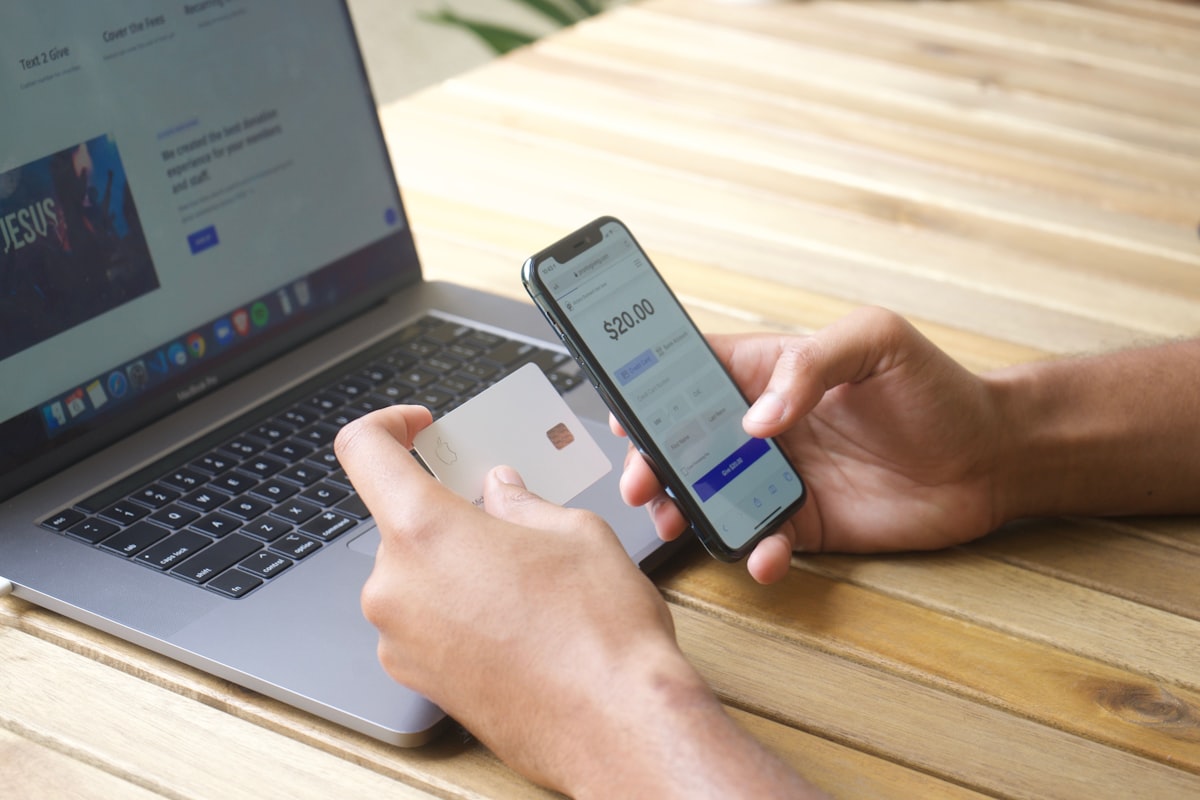
Scan rates on your phone before you commit. Photo by Nadine E on Unsplash
Pro tip: Use an OTA to find the right hotel and the going rate, then open the hotel's own site in another tab and compare the all-in price before you book. The OTA is a great map of the market even when it isn't where you finish.
Booking Direct (Hotel Site or App)
Going straight to the source has quietly gotten more competitive. Hotel brands want your booking (and your loyalty), so they've built real incentives to skip the middleman. The clearest one is the best-rate guarantee. Marriott and Hilton both promise that if you find a lower public rate elsewhere within 24 hours of booking direct, they'll match it and often beat it (each brand sets its own bonus on top of the match, so check the current terms when you file). You usually have to file a claim, but the policies are real.
The bigger value is what you earn and unlock. Book direct as a loyalty member and you collect points toward free nights, plus member perks: free wifi, room upgrades when available, early check-in or late checkout, and sometimes a welcome bonus. Stays count toward elite status, which is where the upgrades and lounge access live. Changes are easier too, because you're dealing with the hotel directly instead of an OTA's support queue. Some front desks will even price-match an OTA rate if you call and ask, especially at independent hotels.
The trade-off is effort and, sometimes, sticker price. You have to check each hotel one by one, which is slow if you're comparing ten properties. And the direct rate isn't always the lowest number on the page; a flash sale on an OTA or an opaque rate can undercut it on a given night. Direct booking wins on the total package (points, perks, flexibility, guarantees), not always on the raw nightly rate.
Pro tip: Join the free loyalty program before you book, even if it's your first stay with the brand. Member rates and the best-rate guarantee usually require an account, and signing up takes two minutes.
Credit Card Travel Portals
If you carry a travel rewards card, its portal is worth a look, mainly for the points math. Amex Travel, Chase Travel, and Capital One Travel let you book hotels using or earning transferable points, often at boosted earning rates (some cards give 5x-10x points on portal hotel bookings). Redemption value can be strong: a card that values points at 1.25-1.5 cents each in its portal can make a points booking a genuinely good deal. Capital One Travel also offers price-drop protection and price match on eligible bookings, so if the rate falls after you book, you can get the difference back.
The honest counterweight: portal cash rates can carry a markup compared to booking the same room elsewhere. Travel-rewards site The Points Guy has repeatedly found portal nightly rates running higher than the hotel's direct or OTA price on the same dates, so the points earning sometimes just offsets a higher base price. Inventory is narrower than a full OTA, point valuations are murky (the "value" depends on assumptions the issuer chooses), and changes or cancellations can be clunky because you're routing through a third-party booking platform rather than the hotel. Most portal hotel bookings also don't earn hotel loyalty points or count toward status.
So who should use them? Travelers sitting on a pile of transferable points who want to redeem them, or cardholders chasing a big earning multiplier or an annual travel credit they need to burn. Just price the room elsewhere first. The portal is a points tool more than a lowest-rate tool, and we are not claiming any AI app or other method automatically beats it. Run the comparison and let the numbers decide.
Memberships, Wholesale, and Deal Tools
This is the grab bag, and a few of these can genuinely beat everything else on the right night. Membership rates are the easiest win: AAA and AARP members get 5-15% off at many major brands (Marriott, Hilton, Wyndham, Best Western all participate), and the discount stacks with loyalty earning when you book direct. If you already pay for AAA, you're leaving money on the table by not using it.
Last-minute tools work a different angle. HotelTonight specializes in same-day and near-term bookings, where hotels dump unsold inventory at real discounts; if you can stay flexible and book within a day or two of arrival, the savings are real. Google Hotels is the best free price tracker: it compares OTA and direct rates side by side, shows whether the current price is high or low for those dates, and can email you when a rate drops. Hotel elite status (earned through stays or sometimes a credit card) unlocks upgrades and perks that don't show as a lower rate but raise the value of the stay.
Two more, with caveats. Hotel wholesalers and consolidators sell rooms in bulk and sometimes pass savings to consumers through membership programs, but quality and legitimacy vary, so stick to established names. Mistake rates (a hotel accidentally loads a wildly low price) do happen and travel-deal communities surface them, but they're unpredictable, often canceled by the hotel, and not something to plan a trip around. Treat these as bonuses, not a strategy.
Member rates and card perks stack when you book direct. Photo by Michael lima on Unsplash
Pro tip: Set a Google Hotels price alert the moment you know your dates. Rates move constantly, and a single drop notification can save you more than an hour of manual comparison would.
Zenvoya
Zenvoya changes the workflow, not just the price tag. Instead of running the same search across five sites yourself, you describe what you want in plain English and the app does the comparing for you. Say "a beachfront hotel in Miami with a pool under $200/night" and get real options back, then book and adjust in the same conversation. Natural-language hotel search, partnership rates surfaced automatically, and booking plus changes handled in one place with no third-party handoff.
On price, Zenvoya's special hotel partnerships generally surface lower rates, with savings up to 30% on eligible properties. Off-season stays and less popular destinations tend to see even stronger savings, since partnership pricing stretches further when demand is lower. Those lower prices show up automatically as part of the search, not as a coupon you have to hunt for. Zenvoya is also free to use, and you pay only for what you book: no subscription, no booking fees layered on top.
What sets Zenvoya apart from every other method in this guide: the combination of time saved and value surfaced. One conversation replaces ten browser tabs, and rates you might not have found on your own show up alongside the results. Proactive trip support means the app stays with you after you book, detecting disruptions and surfacing alternatives you can act on with a single tap. You can also plan collaboratively with friends or family in the same trip. Other AI travel tools focus on itinerary planning (our breakdown of the best AI trip planners covers them), but Zenvoya is the one that handles the full loop: search, compare, book, and change.
Comparison Table
OTAs | Booking Direct | Card Travel Portals | Memberships & Deal Tools | Zenvoya | |
|---|---|---|---|---|---|
Typical savings | 0-10% public; 10-40% opaque (Hotwire/Priceline) | 0-5% vs. OTA; best-rate guarantee match | Often a markup on cash rate; value comes from points | AAA/AARP 5-15%; last-minute deeper | Up to 30% lower on partnership properties |
Earns loyalty points | Usually no | Yes (full points + status) | Usually no | Yes when booked direct | Usually no |
Price protection | Rare | Best-rate guarantee (claim required) | Capital One Travel price match/drop | Varies (Google Hotels alerts only) | Partnership rates automatically surfaced |
Inventory | Largest (hundreds per city) | One brand at a time | Narrower than OTAs | Varies by tool | Wide and growing |
Changes/cancellation | Through OTA support; opaque is nonrefundable | Easiest (direct with hotel) | Clunky (third-party routing) | Varies; HotelTonight limited | One conversation, no handoff |
Best for | Scanning the whole market fast | Loyalty members, perks, flexibility | Burning or earning transferable points | AAA/AARP holders, last-minute, alerts | Describing the trip instead of assembling it |
Savings ranges reflect published figures from NerdWallet, The Points Guy, and the hotel brands' own best-rate-guarantee pages; actual rates vary by property, date, and demand.
Where Zenvoya Fits
Zenvoya is the AI option in this lineup, and it earns that spot by changing how you book. You describe the stay you want in plain English, and the app surfaces matching hotels (including partnership rates up to 30% lower on eligible properties), then books and handles any changes in the same conversation. There's no jumping to a separate site to finish, and no third-party support queue when plans shift. It's free to use, and you pay only for what you book.
Beyond price, Zenvoya adds things the other methods in this guide can't offer together. Proactive trip support detects disruptions after you book and surfaces alternatives you can act on with a single tap, so you're not refreshing a flight tracker at 2 a.m. Collaborative group trip planning lets everyone in the group weigh in on the same itinerary. And natural-language search powered by a patent-pending intelligence layer means you describe the trip, and the app matches you to the right hotel and the right room, not just what's available.
The value is smarter value, already built in: lower prices you didn't have to hunt for, plus the time you save by not running the same search across five tabs. Want to skip the comparison grind and just describe the trip? Start with Zenvoya's AI trip planner and let it surface the options.
If you're loyal to one hotel brand and chasing free nights or elite status, booking direct still makes sense for total value. And if you're sitting on transferable points, a card portal might get you more mileage. For most other situations, Zenvoya is the smart starting point: competitive rates, zero booking fees, and everything from search to changes handled in one place.
What Actually Matters When You're Choosing
Here's the opinionated part. The "best" method depends entirely on your situation, so match the method to the trip:
You stay with one brand a lot. Book direct. The points, upgrades, and best-rate guarantee beat a few dollars saved elsewhere, and the perks compound over a year.
You travel a few times a year, no strong loyalty. Start with Zenvoya or an OTA to see the market, then check the hotel's direct rate. Two tabs, five minutes, done.
You have a stack of credit card points. Price the room on an OTA first, then check your portal. If the portal redemption clears the cash price by a comfortable margin, book it there.
Your dates and plans are locked. Opaque rates (Hotwire, Priceline) and last-minute apps (HotelTonight) can save the most, since you're trading flexibility for price.
You want the least effort. Zenvoya is the cleanest path: describe the trip, compare, book, and change in one place.
The mistake most people make is loyalty to a method instead of loyalty to the result. The smartest travelers keep two or three tools handy and let the specific trip decide. Flexible dates? Track prices. Locked plans? Go opaque. First stay with a brand? Join the program and book direct.
Ready to Find Your Lowest Rate Without the Tab Overload?
Skip the hour of cross-checking five sites. Describe the hotel you want in plain English and let Zenvoya's AI trip planner surface real options, partnership rates included, then book and adjust in one conversation.
Conclusion
The one thing to remember: there's no single site that's always the cheapest, so the move is matching the method to the trip and checking two or three before you commit. Book direct when loyalty and perks matter, lean on OTAs to scan the market, use card portals to spend points, and reach for membership rates and price trackers when they fit. When you'd rather describe the trip than assemble it, Zenvoya does the comparing for you. Next time you've got dates, try this: open Google Hotels for the going rate, check the hotel's direct price, and run the same stay through Zenvoya. The lowest rate is usually one of those three, and now you know which to check first.