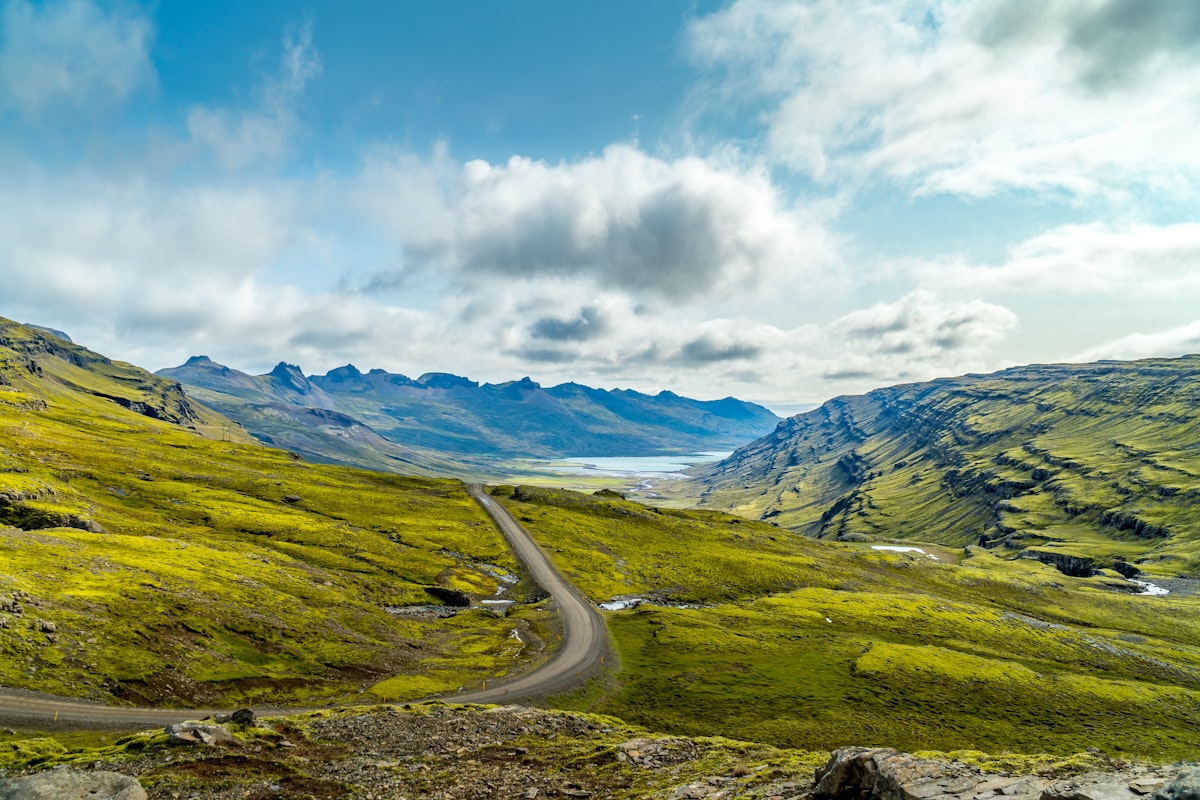
How to get around Iceland: rental cars, the Ring Road, F-roads, Strætó buses, organized tours, and domestic flights, with real prices in ISK and USD.
Iceland is bigger than you think and emptier than you expect. The whole country has about 380,000 people, the same as Anchorage, Alaska, spread across an island the size of Kentucky. Outside Reykjavik, public transit is sparse, distances are real, and weather can rewrite your plans before breakfast. Figuring out how to get around Iceland is the single most important decision you'll make after booking your flight.
This guide covers every realistic way to move around the country: rental cars (2WD and 4WD), the Ring Road, F-roads in the highlands, the Strætó public bus network, organized day tours, domestic flights, and the airport transfer from Keflavík to Reykjavik. We'll also walk through winter driving, real prices in ISK and USD, and what to do when a storm rolls in. If you want a head start on stitching this into an actual itinerary, Zenvoya is built for exactly that kind of route planning.
At a Glance
The Ring Road (Route 1) is 1,332 km / 828 mi and loops the entire island
Minimum time to drive it well: 7-10 days. Anything shorter and you're racing
Iceland has no passenger trains. Public buses (Strætó) cover Reykjavik and reach larger towns but not most attractions
A compact 2WD rental runs ISK 12,000-18,000 ($85-130) per day in summer; 4WD jumps to ISK 22,000-35,000 ($160-250)
Domestic flights from Reykjavik to Akureyri take 45 minutes vs 5+ hours by car
F-roads (mountain roads requiring 4WD) typically open mid-June and close by late September
Single-fare Strætó bus in Reykjavik: ISK 630 (~$4.50)
Iceland Transport at a Glance
Quick-reference table for the most-asked question: what's the best way to get around Iceland for your specific trip type. Detailed pricing and seasonality follow in each section below.
If you're... | Best transport mix | Approx daily cost | Why |
|---|---|---|---|
Solo budget traveler, 3-5 days | Strætó in Reykjavik + 1-2 guided day tours | $60-120 | Avoids rental insurance and parking; tours handle logistics |
Couple, 7-10 days | 2WD rental on the Ring Road (summer) or 4WD (winter) | $120-200 (split) | Cheapest per-person at this length; full flexibility |
Family with kids, 5-7 days | 2WD or 4WD rental + 1-2 guided activity days (glacier hike, whale watch) | $150-250 (family of 4) | Car handles luggage and snack stops; tours cover activities kids can't self-guide |
Group of 4 friends, 7+ days | 4WD or Super Jeep rental + a few day tours | $200-350 (split) | 4WD opens F-roads and Westfjords; cost splits 4 ways |
Older adult, slower pace | Reykjavik base + Flybus to KEF + guided day tours | $100-180 | No driving stress; tours include pickup and drop-off |
Anyone visiting in winter | Guided tours from Reykjavik + 4WD if leaving Reykjavik | $120-250 | Winter driving requires experience; 2WD is risky outside city |
Daily cost estimates assume mid-range choices; vary by season (summer pricing 30-50% higher than winter for rentals). Sources: Strætó, Reykjavik Excursions, aggregator pricing from Discover Cars and Northbound, 2026.
What is the best way to get around Iceland?
For most travelers on a 5+ day trip, the best way to get around Iceland is a rental car on the Ring Road, with a 2WD in summer and a 4WD in winter or if you want F-road access. Renting gives you the flexibility to stop at waterfalls, beaches, and farm-stay restaurants between towns that the bus and tour options skip entirely. For trips of 3-4 days or solo travelers wary of Iceland driving, a Reykjavik base plus guided day tours is the better answer. The wrong choice for almost everyone is "Strætó alone outside Reykjavik": the bus reaches towns but skips the attractions between them.
What's the cheapest way to get around Iceland?
The cheapest way to get around Iceland is the Strætó public bus network, with single fares at ISK 630 (~$4.50) in Reykjavik and ISK 2,000-12,000 for longer regional routes. A 24-hour Reykjavik pass costs ISK 2,000 (~$14.50). However, Strætó's rural frequency is limited (often 1-3 buses per week to towns like Vík or Höfn off-season), and it doesn't stop at waterfalls or beaches. For most travelers, the cheapest practical option is a budget 2WD rental shared between 2-4 people on the Ring Road: split among a group, it's $20-40 per person per day plus fuel, often cheaper than tours.
Renting a Car in Iceland
Direct answer: Do I need a car in Iceland? For most travelers who plan to leave Reykjavik, yes. Iceland's main sights (waterfalls, black-sand beaches, glaciers) sit between towns rather than inside them, and the bus network doesn't stop at scenic detours. The main exception is travelers who plan to base themselves in Reykjavik and book guided day tours, in which case a car isn't necessary.
Is it easy to get around Iceland?
Yes, getting around Iceland is straightforward in summer when the Ring Road and most F-roads are open. The main decision is whether to rent a car: driving the Ring Road independently is the most flexible option for trips of 5+ days, while staying in Reykjavik plus guided day tours works fine for 3-4 day trips. Public buses (Strætó) cover Reykjavik well but reach few rural attractions, and Iceland has no passenger trains. Winter is harder: shorter daylight, weather-driven road closures, and 4WD requirements push more travelers toward tours.
That said, Iceland's best stuff sits between towns, not in them, and a car lets you stop at a waterfall, a black-sand beach, and a roadside sheep farm without checking a schedule. The catch: rentals here are expensive by US standards, and the fine print on insurance can hurt.
There are roughly four tiers of rental companies operating in Iceland:
Tier | Examples | Approximate Daily Rate (Compact 2WD, Summer) |
|---|---|---|
Global majors | Hertz, Avis, Budget, Europcar | ISK 14,000-20,000 (~$100-145) |
Iceland-specific majors | Blue Car Rental, Reykjavik Auto | ISK 11,000-16,000 (~$80-115) |
Budget local | SAD Cars, Lotus Car Rental, Geysir | ISK 8,000-13,000 (~$60-95) |
4WD specialists | Go Iceland, Iceland 4x4 Rental, Cozy Campers | ISK 22,000-45,000 (~$160-325) |
Indicative summer pricing for compact 2WD across major and budget rental tiers, May 2026. Sources: Blue Car Rental, Hertz Iceland, Discover Cars and Northbound aggregator listings.
Aggregator sites like Discover Cars, Northbound, and Guide to Iceland make it easy to compare across providers in one search. Booking directly with companies like Blue Car Rental can sometimes be cheaper than the aggregators, but the aggregators usually win on transparency around insurance.
Insurance is where this gets expensive. The standard package most rentals quote excludes gravel damage (extremely common on side roads), sand and ash damage (a real thing on the south coast), and undercarriage damage from river crossings. A "full" insurance bundle adds maybe ISK 4,000-7,000 (~$30-50) per day on top of the base rate. Most travelers don't regret paying it.
One way to skip some of that bundled insurance: a premium travel credit card. Chase Sapphire Preferred and Chase Sapphire Reserve include primary collision and theft coverage on rental cars in Iceland when you pay with the card and decline the rental company's collision damage waiver. American Express Platinum offers a similar primary rental coverage program (Premium Car Rental Protection, an add-on per rental). Most other cards (Capital One Venture X, Amex Gold) offer only secondary coverage, which kicks in after your own auto insurance. Before declining the rental's collision waiver, call your card issuer's benefits line and confirm Iceland is included (a few cards exclude it) and whether the coverage is primary or secondary. Save the screenshot for the rental desk. Credit card coverage typically does NOT include gravel, sand, ash, or river-crossing damage, so the F-road and south-coast exposures still belong on the rental company's bundled plan.
Things that catch first-timers off guard:
Manual transmission is the default in Europe. Automatics cost more and book up fast in summer
Most rentals come with limited mileage. Confirm you have unlimited km before signing
A second driver is often a paid add-on
Picking up at Keflavík Airport (KEF) costs more than picking up in central Reykjavik, but it saves a 50-minute transfer if you arrive jet-lagged
The Ring Road and Self-Drive Itinerary
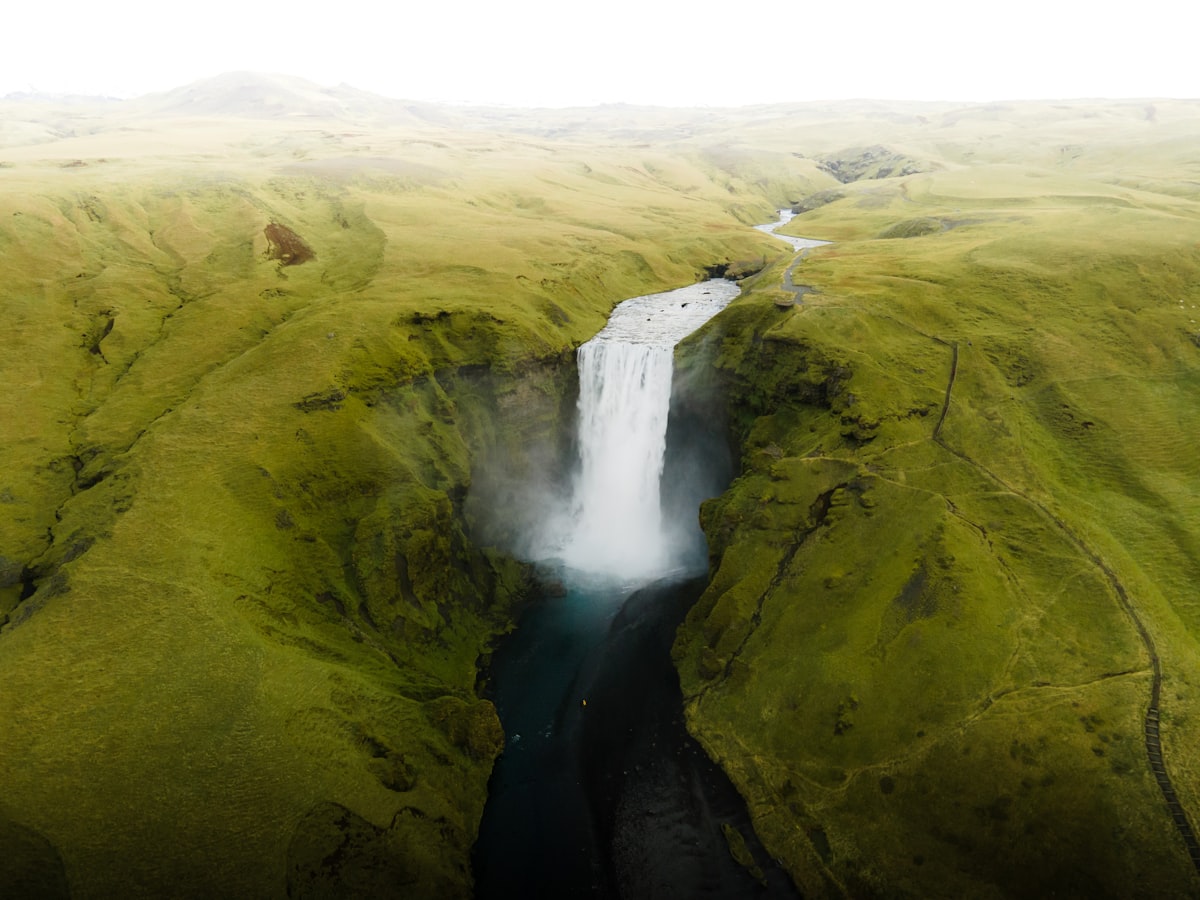
Skógafoss is one of the south coast Ring Road highlights. Photo by Tomáš Malík on Unsplash
Route 1, known as the Ring Road, is Iceland's single defining road trip. It runs 1,332 km / 828 mi in a loop around the island, passing within easy reach of most of the country's headline attractions: Skógafoss, Reynisfjara black-sand beach, Jökulsárlón glacier lagoon, the Eastfjords, Mývatn, Goðafoss, Akureyri, and back through the Snæfellsnes-adjacent west.
Direct answer: How long do you need to drive the Ring Road? Plan a minimum of 7 days, ideally 10. You can technically drive it in 4 days, but you'll spend those days behind the windshield instead of on glaciers, in lava tubes, or at Sky Lagoon. Most experienced Iceland travelers recommend 8-10 days as the sweet spot, leaving a buffer for weather days.
How long does it take to drive around Iceland?
The full Ring Road is 1,332 km / 828 mi and takes most travelers 7-10 days to drive comfortably with sightseeing stops. The minimum drive time (no stops, summer conditions) is roughly 18-20 hours behind the wheel, but you won't actually see anything. A 4-day Ring Road is technically possible but exhausting; 8-10 days is the sweet spot for stopping at the headline waterfalls, glaciers, and black-sand beaches without rushing. Add 2-3 days if you plan to detour into the Westfjords or the Snæfellsnes Peninsula.
Trip length | Realistic itinerary | Best transport mode | Best season |
|---|---|---|---|
3 days | Reykjavik base + Golden Circle + Blue Lagoon | Flybus + day tours | Year-round |
5 days | Reykjavik + south coast as far as Jökulsárlón (return same route) | 2WD rental or 2-day south coast tour | May-Sep best; year-round drivable |
7 days | Partial Ring Road (south + east, fly back from Egilsstaðir) OR Reykjavik base + multiple day tours | 2WD or 4WD rental + 1 domestic flight | Jun-Sep |
8-10 days | Full Ring Road counterclockwise (sweet spot) | 2WD (summer) or 4WD (year-round) | Jun-Sep ideal; Oct/Apr workable |
12-14 days | Full Ring Road + Westfjords + Snæfellsnes Peninsula | 4WD recommended | Jun-Aug only (Westfjords) |
Trip durations based on Ring Road distances per Iceland Road Administration data plus typical sightseeing buffer of 4-6 hours per day off the road, 2026.
A realistic Ring Road pace looks something like this:
Days | Section | Approximate Driving Distance |
|---|---|---|
1-2 | Reykjavik to Vík (south coast: Seljalandsfoss, Skógafoss, Reynisfjara) | 250 km / 155 mi |
3 | Vík to Höfn (Jökulsárlón, Diamond Beach, Vatnajökull) | 270 km / 168 mi |
4 | Höfn to Egilsstaðir (Eastfjords) | 250 km / 155 mi |
5 | Egilsstaðir to Mývatn (Dettifoss, geothermal) | 165 km / 102 mi |
6 | Mývatn to Akureyri (Goðafoss, north coast town day) | 100 km / 62 mi |
7 | Akureyri to Snæfellsnes / Borgarnes | 350 km / 217 mi |
8 | Snæfellsnes Peninsula loop | 200 km / 124 mi |
9 | Borgarnes back to Reykjavik (with Golden Circle if time allows) | 75 km / 47 mi |
Suggested 8-9 day Ring Road pace. Driving distances are approximate. Source: Iceland Road Administration (Vegagerðin) route data, 2026.
Direction matters less than you'd think. Most people go counterclockwise (start with the south coast) because the highest-density attractions sit between Reykjavik and Höfn, so you get the "hits" out of the way first if weather forces a course change later. Going clockwise spreads the rural eastern stretch earlier in the trip, which some travelers prefer for pacing.
Gas is roughly ISK 320 per liter (about $9.20/gallon as of mid-2026), so budget USD 200-300 for fuel across a full Ring Road loop in a compact car. The N1 and Olís chains have stations roughly every 50-80 km on the Ring Road. Some are unmanned and card-only. American credit cards work, but you'll often need to enter a 4-digit PIN, so set that up with your card issuer before flying out.
F-Roads and 4WD Requirements
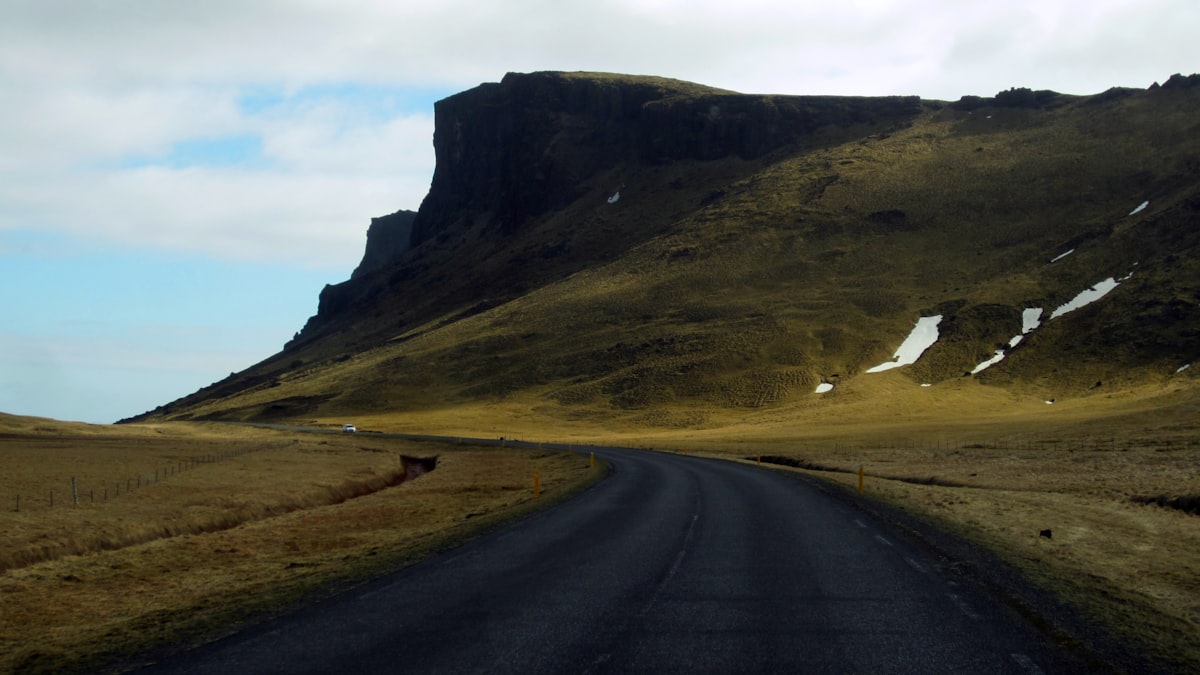
Long stretches of highland road are a different driving experience than the paved Ring Road. Photo by Ben Everett on Unsplash
F-roads are mountain interior roads, and Icelandic law requires a 4WD vehicle to drive them. This isn't a suggestion. Rental insurance is void on F-roads in a 2WD, regardless of brand, and police do issue fines.
The most-traveled F-roads:
F35 (Kjölur): Highland route between south and north Iceland, opens roughly late June
F26 (Sprengisandur): Long, remote, and often the last to open
F208 (Fjallabak Nyrðri): Gateway to Landmannalaugar, opens mid-June
F88: The road into Askja and the Highlands' moonscape
River crossings are common on F-roads, and crossing them safely is its own skill. The general rule: stop, walk the crossing first if you can, and never cross a river you wouldn't walk through. River-crossing damage is one of the most expensive things you can do to a rental, often not covered even by full insurance.
Direct answer: Is it safe to drive in Iceland? Yes, in summer, on paved roads, with normal precautions. Icelandic roads are well-maintained on the Ring Road, traffic is light, and signage is good. The risk profile changes sharply once you leave paved roads or cross into winter conditions. Check road.is daily for live road status and safetravel.is for emergency alerts before any drive longer than 30 minutes.
F-road dates are weather-dependent. The Iceland Road Administration publishes opening and closing dates and updates them in near real-time. A typical season:
Opens: Mid-June to late June, depending on snowmelt
Closes: Late September to mid-October
If you're planning a trip in May or early October, assume the highlands are off-limits and build a Ring Road plan instead.
Iceland by Bus: The Strætó Network
Iceland's public bus system is operated by Strætó and covers Reykjavik plus longer-distance routes to most regional towns. It's the country's only real public transit option since there are no passenger trains.
In Reykjavik, the city bus system is genuinely useful. Single fares cost ISK 630 ($4.50), and a 24-hour Reykjavik pass runs ISK 2,000 ($14.50). The Klappid app makes payment easy and avoids the awkward exact-change requirement. Key Reykjavik bus routes for travelers:
Route 51: Reykjavik to Akranes via Borgarnes (a long-distance regional route)
Routes 1, 3, 6, 14: Cover most central Reykjavik and inner suburbs
Flybus and Airport Direct: Not Strætó, but the main Reykjavik–KEF airport services
For getting around the rest of Iceland, the bus network looks promising on a map but breaks down fast in practice. Long-distance routes connect Reykjavik to Akureyri, Egilsstaðir, Höfn, Vík, and Ísafjörður, but most run only a few times per week, take significantly longer than driving, and don't deviate to stop at waterfalls or scenic detours. Expect 6+ hours from Reykjavik to Akureyri vs about 5 by car, and the bus skips most of the photogenic stops in between.
Can you get around Iceland without a car?
Yes, you can get around Iceland without a car, but it limits where you can go. Reykjavik itself is walkable plus has a useful Strætó city bus network (single fare ISK 630 / ~$4.50). For the countryside without driving, the practical combination is guided day tours from Reykjavik (Golden Circle, South Coast, Snæfellsnes Peninsula) plus a domestic flight or long-distance bus to Akureyri if you want to see the north. The Westfjords and the highlands are essentially off-limits without a 4WD. Solo travelers and anyone uncomfortable with winter driving often choose this path.
The bus is best for: solo travelers on a tight budget who plan to base themselves in Reykjavik and add a few day tours for the countryside. It's not a great primary plan if you want to see the south coast or Snæfellsnes on your own clock.
How do you get around Iceland from Reykjavik?
From Reykjavik, the four practical options are: (1) rent a car and self-drive day trips along the south coast or Golden Circle, (2) book guided day tours (most operators offer pickup at Reykjavik hotels; Reykjavik Excursions and Gray Line are the largest), (3) take the long-distance Strætó bus to regional towns like Akureyri, Vík, or Höfn (limited frequency, often 1-3x per week), or (4) fly domestic from Reykjavik Domestic Airport (RKV) to Akureyri (45 min) or Egilsstaðir (1 hr) if you're skipping the south coast. Most Iceland trips combine 2-3 of these, with self-drive or day tours as the primary mode.
Organized Tours and Day Trips
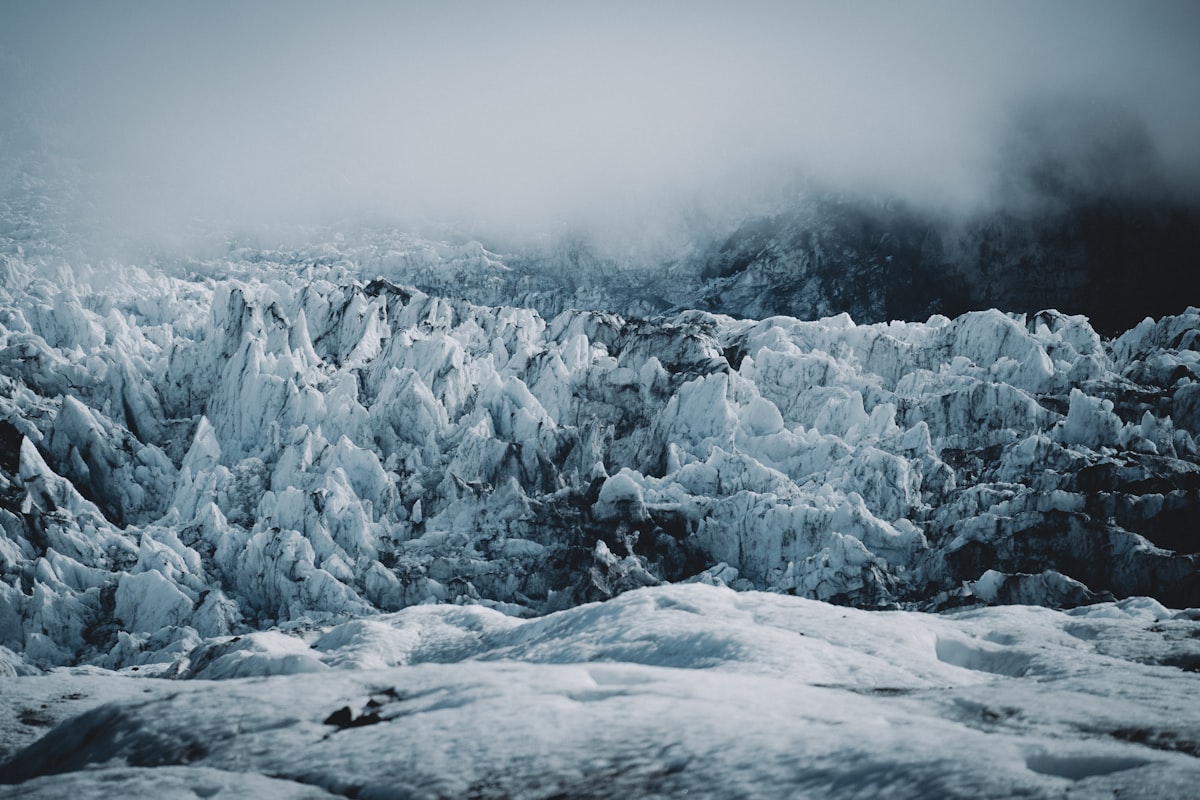
Glacier hikes require a guided tour regardless of how you arrive. Photo by Thomas Fatin on Unsplash
For non-drivers, organized day tours fill the gap that buses can't. Reykjavik is a hub for hundreds of operators running everything from half-day Golden Circle loops to multi-day south coast excursions. Reykjavik Excursions, Gray Line, Arctic Adventures, and Iceland Excursions are the largest, with smaller specialty operators handling things like glacier hikes, ice cave tours, and Northern Lights chases.
A few common tour formats and what to expect:
Golden Circle (full day, ISK 9,000-13,000 / ~$65-95): Þingvellir National Park, Geysir geothermal area, and Gullfoss waterfall. The classic intro to Iceland. Doable as a self-drive in 6-7 hours from Reykjavik, but a guided tour adds context most travelers find worth the price.
South Coast (full day or 2-day, ISK 14,000-22,000 / ~$100-160): Seljalandsfoss, Skógafoss, Reynisfjara black-sand beach. Long day in summer (12+ hours) but heavy on highlights. The 2-day version reaches Jökulsárlón glacier lagoon.
Snæfellsnes Peninsula (full day, ISK 13,000-18,000 / ~$95-130): Sometimes called "Iceland in miniature," and that's accurate. Kirkjufell mountain, black church at Búðir, basalt sea cliffs at Arnarstapi.
Glacier hike or ice cave (half to full day, ISK 18,000-30,000 / ~$130-220): Requires a guide regardless of how you arrive. Sólheimajökull is the easiest glacier hike from Reykjavik. Ice caves are November-March only.
Is it better to rent a car or take tours in Iceland?
For groups of 2 or more on a 5+ day trip, renting a car usually wins on cost and flexibility, especially in summer. For solo travelers, anyone uncomfortable with winter driving, or trips under 4 days, guided day tours can come out cheaper once you add up rental + insurance + gas + parking and avoid the stress. A 2WD rental runs $85-130/day in summer plus $30-50/day for proper insurance; a full-day guided tour runs $65-160 per person but covers expert commentary and all logistics. The hybrid play (rent a car for the south coast, book a guided glacier hike) works for most travelers.
If you're choosing between tours and self-drive, the math usually favors driving for groups of 2 or more by day 3 of a trip. For solo travelers or anyone uncomfortable driving in winter, tours can actually come out cheaper than renting plus insurance plus gas plus parking, and the social factor is real.
Domestic Flights
Iceland's domestic flight network is run by Icelandair (under the Air Iceland Connect brand) and Eagle Air, mostly out of the small Reykjavik Domestic Airport (RKV), not the big international one at Keflavík. Routes serve Akureyri, Egilsstaðir, Ísafjörður, and a few smaller destinations.
When to fly instead of drive:
Reykjavik to Akureyri: 45-minute flight vs 5-6 hours of driving. Worth it for short trips with limited time
Reykjavik to Egilsstaðir (East Iceland): 1 hour flight vs 8+ hours driving. Game-changer if you're skipping the south coast
Reykjavik to Ísafjörður (Westfjords): 35-minute flight vs 6+ hours of complicated driving through fjords. The Westfjords are notoriously hard to reach by road
Round-trip fares typically run ISK 25,000-45,000 (~$180-325). Book in advance for the best rates and remember that small-aircraft domestic flights get canceled by weather more often than international flights. Always build a buffer day.
Reykjavik Airport (KEF) to City Center
Most travelers fly into Keflavík International Airport (KEF), which sits 50 km / 31 mi southwest of Reykjavik. There's no direct public bus from KEF to central Reykjavik on the standard Strætó network, so the airport transfer is its own little decision.
Option | Approximate Cost (One-Way) | Time | Notes |
|---|---|---|---|
ISK 3,499 (~$25) | 45-50 min | Most common option; drops at BSÍ terminal, with hotel transfers available | |
ISK 3,200 (~$23) | 45 min | Similar to Flybus, slightly less coverage | |
Taxi | ISK 17,000-22,000 (~$125-160) | 40 min | Door-to-door, expensive but convenient for groups |
Rental car | n/a if pre-booked | 45-50 min | Pick up at the airport if your Iceland plan starts immediately |
Private transfer | ISK 25,000+ (~$180+) | 40-45 min | Best for 4-5+ travelers split-cost |
Pricing reflects published rates on Flybus and Airport Direct, 2026.
For most travelers arriving at KEF, Flybus is the practical pick. Buy tickets in advance online and they'll match arrivals; even on a delayed flight, the next bus is usually within 30-45 minutes.
If you're picking up your rental at the airport, the on-site rental desks are quick but the offsite shuttle lots (where most Iceland-specific companies are based) add 5-15 minutes. Plan accordingly when you're booking.
Driving in Winter
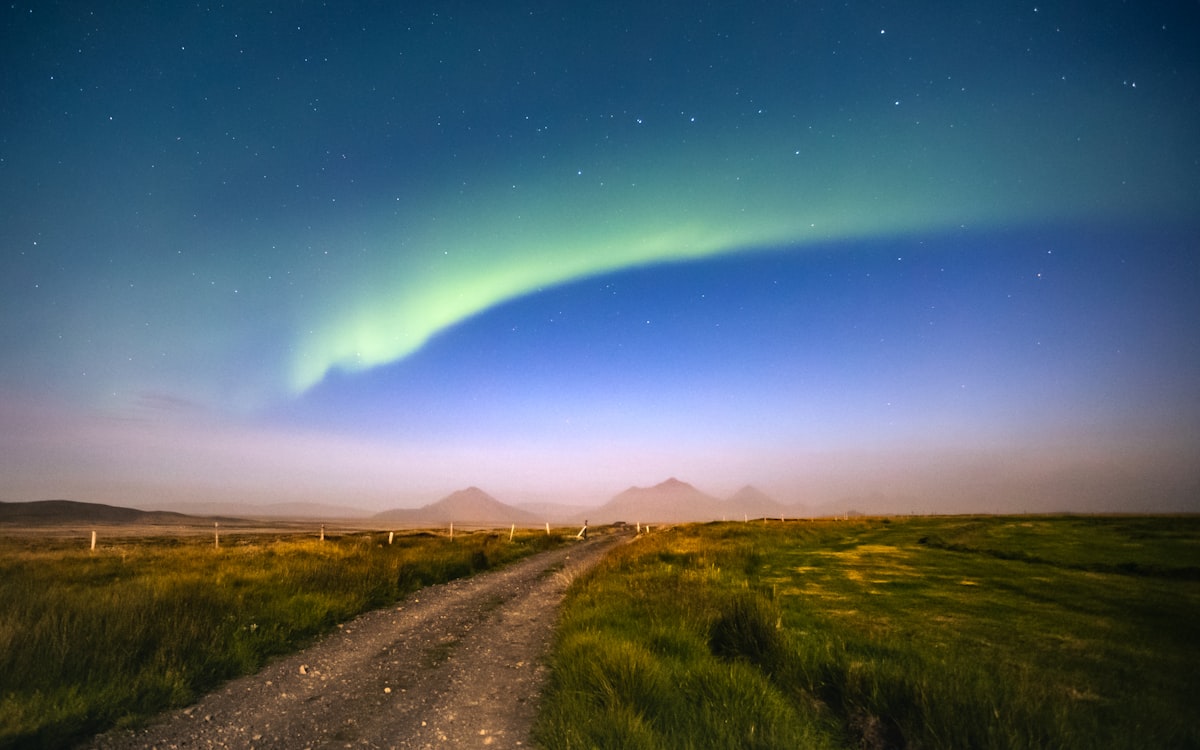
Winter driving rewards careful planning with quieter roads. Photo by Marek Piwnicki on Unsplash
Winter driving in Iceland is doable but not casual. Conditions can change in 30 minutes, daylight is limited (4-5 hours in December), and side roads off the Ring Road can become impassable without warning.
Direct answer: Is it safe to drive in Iceland in winter? Yes, with the right vehicle, the right preparation, and the right respect for weather. Studded or proper winter tires are required by law from November 1 to April 14, and most rental cars include them in the daily rate during this window. Don't take a 2WD into the highlands or unpaved roads in winter, and check road.is and vedur.is (the Icelandic Met Office) every morning before you drive.
What to bring or rent:
A 4WD if you're driving outside the Reykjavik-to-Vík stretch in winter
A windshield scraper (rentals don't always include them)
A working SIM or eSIM with Icelandic data (Síminn or Nova are the main providers)
Cash in ISK for the small handful of stations or guesthouses that don't take cards
Standard winter driving rules:
Always check road.is before driving. It color-codes road conditions hourly
Park into the wind. Icelandic wind can rip open a rental car door and bend the hinge, which is not covered by insurance
Pull over if you hit a blackout snowstorm. Don't drive into it
Carry water and snacks. If you get stranded, help can be hours away
The reward for navigating winter is real: Northern Lights, fewer crowds at every major site, and ice caves that don't exist in summer. The Ring Road is generally drivable year-round, but East Iceland (especially Eastfjords) can become genuinely difficult in deep winter and is best done in summer or with a tour.
Ready to Plan Your Iceland Trip?
Iceland rewards travelers who plan carefully and stay flexible. The most common mistake is overpacking the itinerary, because Iceland's weather and distances reshape plans in ways no amount of advance research can anticipate.
If you're working through which transit mix fits your group, your weather risk tolerance, and your interest in stuff like glacier hikes or Northern Lights, Zenvoya's AI trip planner can stitch this into a real day-by-day plan in minutes, including which days to schedule weather buffers and which side trips reward a 4WD. It's a faster way to sanity-check a Ring Road plan than building it in a spreadsheet.
For more transit-style guides, the Japan transportation guide walks through similar logic for a very different country (trains vs Iceland's almost-all-roads situation), and the how to get around Italy guide covers another rental-friendly destination. If you're planning a longer trip that includes Iceland as part of a broader route, the summer vacation planning guide and how to plan an international trip framework cover the planning steps end to end.