
9 underrated European destinations with cooler temps and fewer tourists. From Norway's fjords to Albania's Riviera, your coolcation escape starts here.
At a Glance: Southern Europe is baking, overtourism is real, and the "coolcation" trend is booming. Here are 9 European destinations where you'll find cooler temperatures, thinner crowds, and experiences just as memorable as the usual suspects.
Every summer, the same thing happens. Millions of travelers pack into Barcelona, Santorini, Rome, and the Amalfi Coast. Temperatures push past 40°C (104°F). Cruise ships empty thousands onto narrow cobblestone streets. And somewhere on a Greek island, a traveler is waiting 45 minutes for a table at a restaurant with three-star reviews.
There's a better way to do Europe in summer.
The "coolcation" trend has exploded over the past two years, and for good reason. Europe is the fastest-warming continent on Earth, with temperatures increasing at roughly twice the global average, according to the World Meteorological Organization. That means the classic Mediterranean summer trip is hotter, more crowded, and more expensive than it was even five years ago.
But Europe is enormous. And some of its best destinations are the ones you've never considered for July and August. Zenvoya pulled together nine worth your time, mixing cool-climate escapes with warm-but-uncrowded alternatives that most American travelers have overlooked.
How Hot Are the Usual Spots?
Before getting into the alternatives, here's what you're up against at the typical summer destinations.
Destination | Avg. July High | Summer Crowds | Avg. Hotel/Night (July) |
|---|---|---|---|
Santorini, Greece | 30°C (86°F) | Extreme | $350+ |
Barcelona, Spain | 29°C (84°F) | Extreme | $220+ |
Rome, Italy | 32°C (90°F) | Very High | $250+ |
Amalfi Coast, Italy | 31°C (88°F) | Very High | $400+ |
Dubrovnik, Croatia | 30°C (86°F) | Very High | $280+ |
Average temperatures from NOAA NCEI climate normals. Hotel estimates based on mid-range properties via Booking.com summer averages.
Now compare that with where you could be instead.
1. The Dolomites, Italy
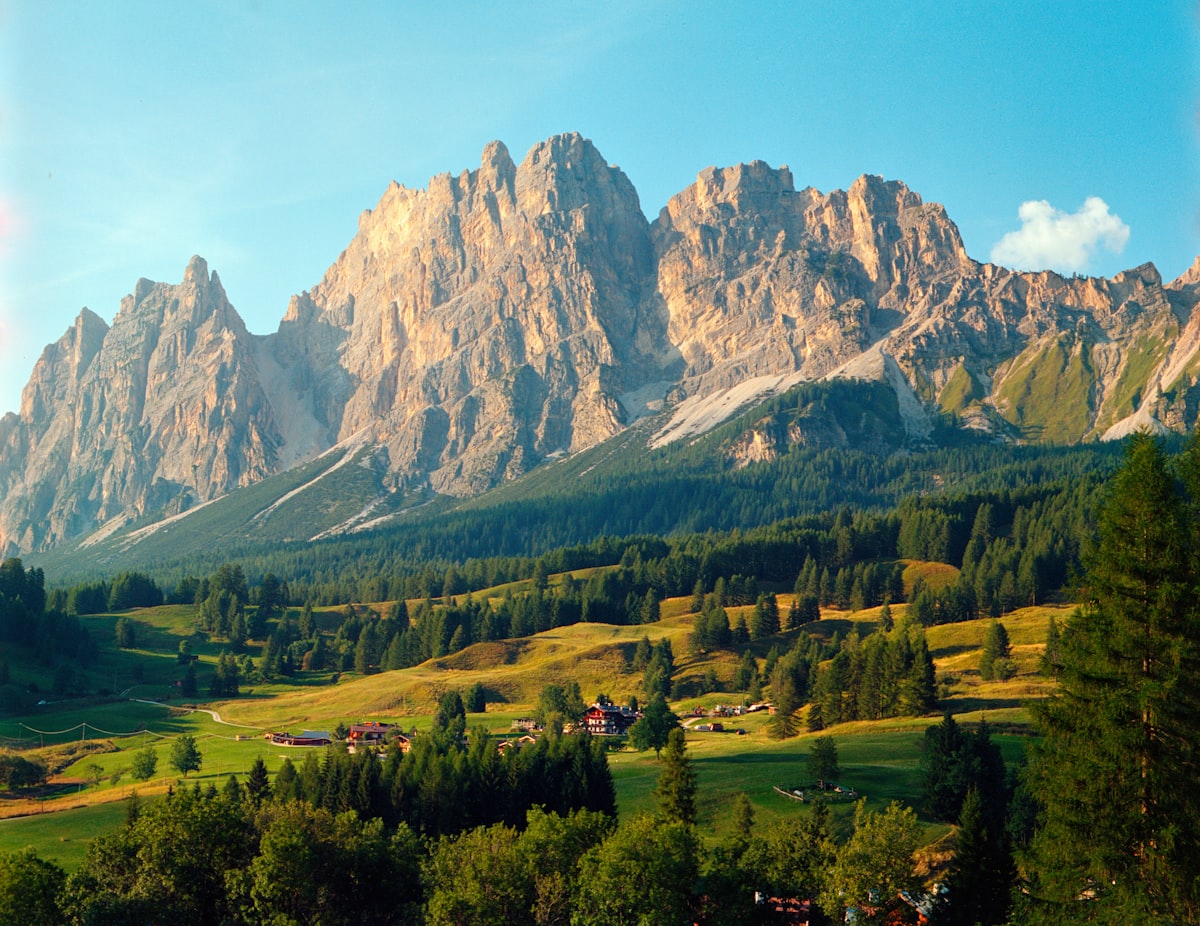
Morning light over the Dolomites valley. Photo by Lex Brogan on Unsplash
Average July high: 19-23°C (66-73°F)
You're still in Italy, but it feels like a different planet. The Dolomites, a UNESCO World Heritage site in northeastern Italy, sit at 1,500-2,200 meters and stay cool all summer. While Florence bakes at 34°C, you're hiking through wildflower meadows with jagged limestone peaks towering overhead.
Searches for the Dolomites from US travelers have surged significantly, according to Google Flights trending data, making this one of Europe's true breakout coolcation destinations.
What to do: The Tre Cime di Lavaredo loop is the signature hike (9.5 km, moderate difficulty). Rent a bike and ride the old railway paths. Eat at a rifugio (mountain hut) where the food is genuinely excellent, not "good for altitude" excellent. Cortina d'Ampezzo is the main base, and it hosted the 2026 Winter Olympics, so infrastructure is sharp.
Getting there: Fly into Venice (VCE) or Innsbruck (INN), then rent a car or take a bus. The drive from Venice is about two hours.
Pro tip: The Dolomites are car country, but if you're doing a multi-stop Italy trip, Trenitalia runs trains to Bolzano, where you can connect by bus to the valleys. Saves you a full day of driving.
2. Norway's Fjords
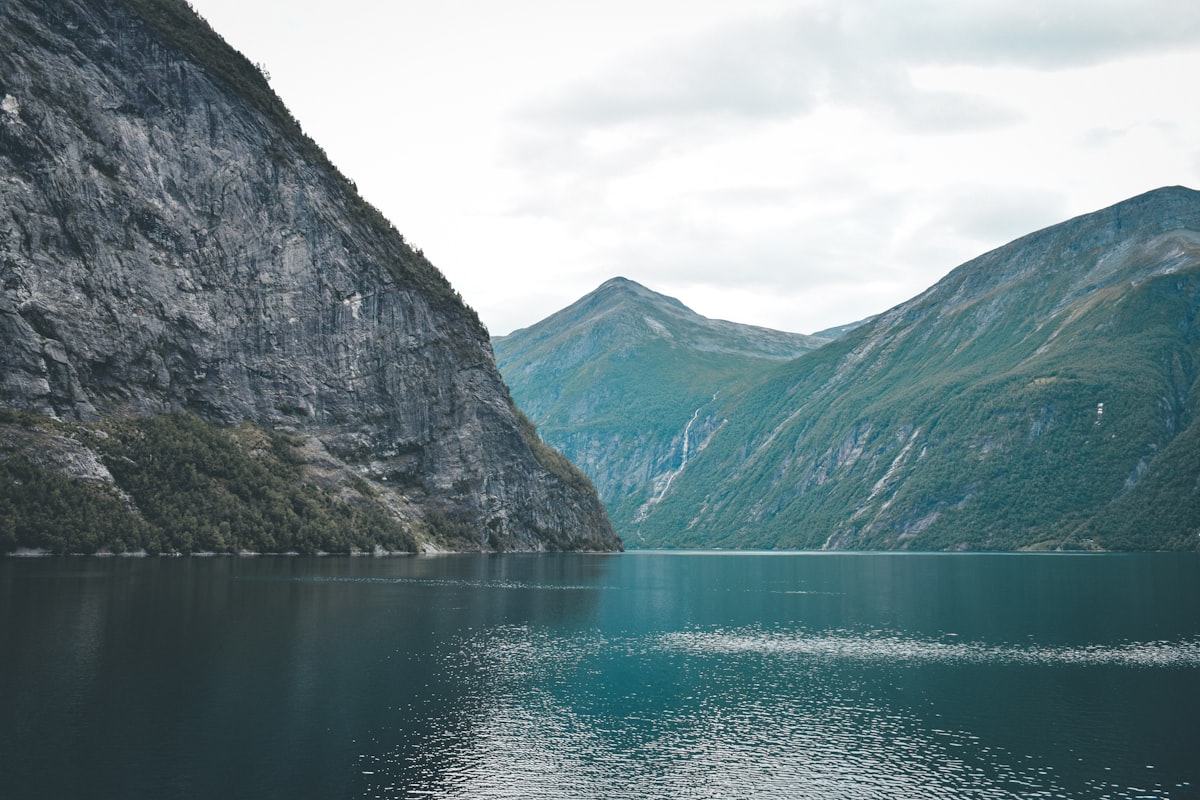
Norway's fjord cliffs drop straight to the waterline. Photo by Darya Tryfanava on Unsplash
Average July high: 15-18°C (59-64°F)
Norway is the original coolcation, and the fjord region delivers on every level. Bergen, the gateway city, averages 17°C in July. That's light-jacket weather while the rest of Europe melts.
The real draw is the landscape. Nærøyfjord and Geirangerfjord are both UNESCO-listed, and the scale of them is hard to overstate: sheer cliffs dropping 1,000 meters into water so still it looks photoshopped.
What to do: Take the Flåm Railway, widely considered one of the world's most scenic train rides. Hike Trolltunga if you're fit (28 km round trip, plan 10-12 hours). Kayak the fjords at sunset, when the light lingers until nearly midnight. Bergen's fish market is worth a stop, but skip the overpriced king crab and get the fish soup instead.
Getting there: Direct flights from several US hubs to Oslo (OSL), then a short domestic flight or 7-hour scenic train to Bergen.
Pro tip: Norway is expensive. Budget $50-70/day just for food. Grocery stores like Rema 1000 and Kiwi are your best friends for keeping costs down.
3. Estonia

Tallinn's medieval skyline from above. Photo by Margo Evardson on Unsplash
Average July high: 20-22°C (68-72°F)
Tallinn feels like a city that shouldn't exist yet. A medieval walled Old Town (UNESCO-listed) next to a buzzing startup scene, craft cocktail bars, and some of the best contemporary food in Northern Europe. The Baltic breeze keeps it comfortable all summer.
Estonia is also one of the cheapest countries in the EU for travelers. A solid dinner with wine runs $25-35 per person. That's half what you'd pay in most of Western Europe.
What to do: Walk the Old Town (it's compact and endlessly photogenic). Visit Telliskivi Creative City, a converted industrial district with galleries, vintage shops, and street food. Take a day trip to Lahemaa National Park, an hour east, for coastal forests and Soviet-era fishing villages. If you have extra days, Pärnu on the southwest coast is Estonia's summer beach town: laid-back and uncrowded.
Getting there: Fly into Tallinn (TLL) via Helsinki, Stockholm, or Frankfurt connections. Or take the 2-hour ferry from Helsinki for a multi-city Baltic trip.
Pro tip: Estonia is one of the most digitally advanced countries in Europe. Nearly everything works with contactless payment, and free Wi-Fi coverage is excellent, even in rural areas.
4. Montenegro

Kotor's bay and rooftops from above. Photo by Faruk Kaymak on Unsplash
Average July high: 28-31°C (82-88°F)
Montenegro isn't cool temperature-wise. But it is the uncrowded, affordable Mediterranean experience that Dubrovnik used to be before Game of Thrones happened. Kotor's walled old town is equally stunning, the Adriatic is just as blue, and you'll spend about 40% less.
What to do: Climb the 1,350 steps to the Kotor Fortress at sunrise (it's free, and you'll have it nearly to yourself). Drive the coastal road from Kotor to Budva, stopping at beaches along the way. Sveti Stefan, a tiny island village turned luxury resort, is worth seeing from the mainland path even if you're not staying there. For something different, head inland to Durmitor National Park for canyons, glacial lakes, and genuine wilderness.
Getting there: Fly into Dubrovnik (DBV) and cross the border by bus or rental car (about 2 hours to Kotor), or fly into Podgorica (TGD) and drive an hour to the coast.
Pro tip: Montenegro uses the euro despite not being in the EU. ATMs are widely available, but carry some cash for smaller restaurants and beach vendors along the coast.
5. Scottish Highlands
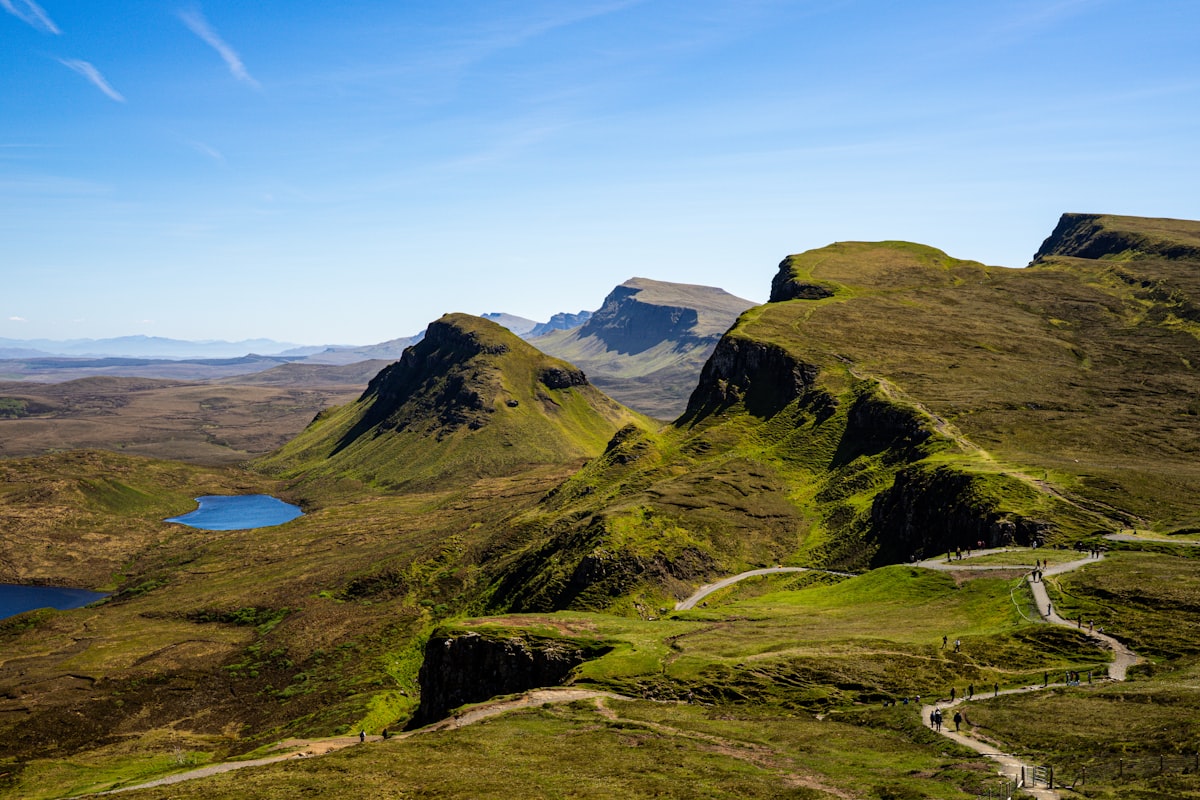
Classic Highland scenery with hills and lochs. Photo by Taisia Karaseva on Unsplash
Average July high: 16-18°C (61-64°F)
The Highlands are the antidote to everything overwhelming about summer travel in Europe. No crowds, no heat, no rush. Just lochs, glens, single-track roads, and the occasional castle ruin. July temperatures hover around 17°C, and the daylight stretches past 10 PM.
What to do: Drive the North Coast 500, Scotland's answer to Route 66 (516 miles around the northern tip). Hike Ben Nevis if you want bragging rights (the UK's highest peak, about 7-9 hours round trip). Visit the Isle of Skye for the Fairy Pools and the Old Man of Storr. Stop at a distillery. Then stop at another one.
Getting there: Fly into Edinburgh (EDI) or Inverness (INV). Inverness puts you right in the Highlands. A rental car is essential; public transport exists but is limited.
Pro tip: Scottish summer weather changes by the hour. Pack layers and a waterproof jacket, even if the forecast says sun. The locals have a saying: "Four seasons in one day." They mean it.
6. Albania's Riviera
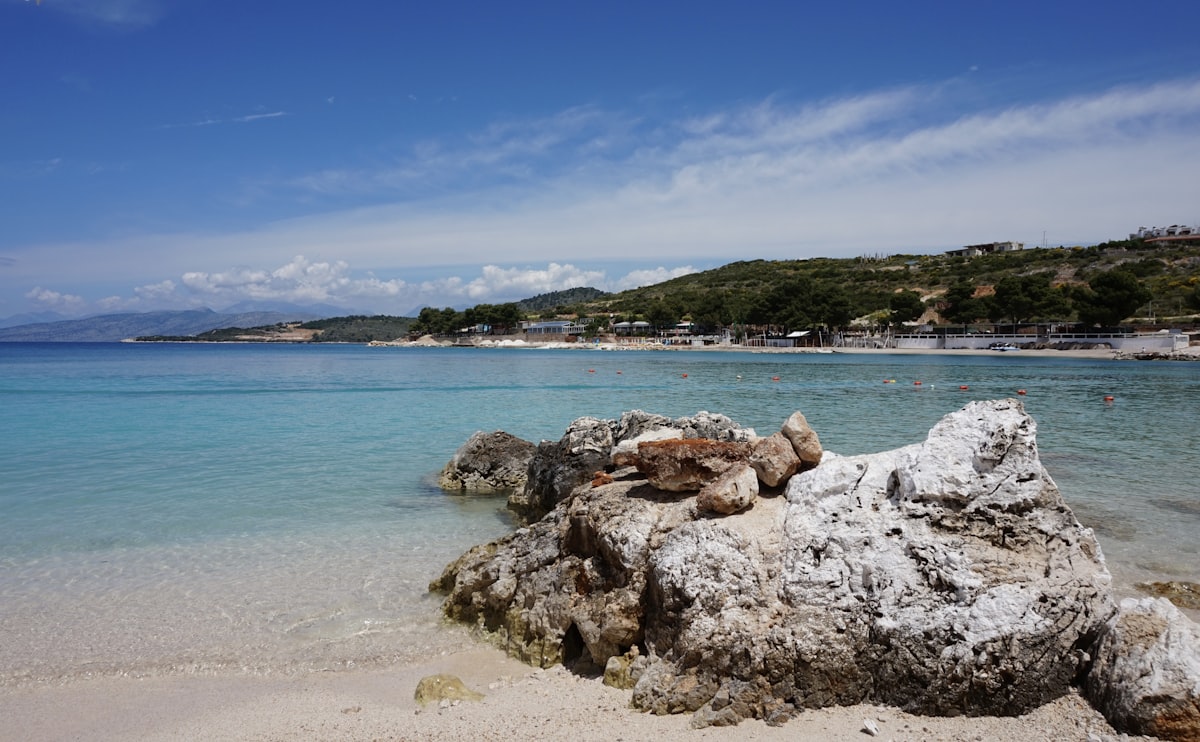
Crystal-clear water along the Albanian Riviera. Photo by Gerda Schulpe on Unsplash
Average July high: 28-32°C (82-90°F)
Albania's southern coastline is what the Croatian and Greek coasts looked like 15 years ago: stunning beaches, cheap prices, minimal crowds. The Albanian Riviera from Vlorë to Sarandë has water that rivals anything in the Aegean, plus a growing food scene that pulls from both Greek and Turkish traditions.
This is Europe's fastest-emerging coastal destination, and prices reflect that early-mover advantage. A seafood dinner for two with wine: $25-40. A beachfront guesthouse: $40-60/night.
What to do: Beach-hop from Dhërmi to Ksamil (each town has a different vibe). Visit the ancient ruins at Butrint, a UNESCO World Heritage site just south of Sarandë. Take a boat to the Blue Eye spring near Sarandë, a natural phenomenon where water emerges from underground at a startling, deep blue. Eat fresh mussels at Ksamil for almost nothing.
Getting there: Fly into Corfu (CFU) in Greece and take a 30-minute ferry to Sarandë, or fly into Tirana (TIA) and drive south (about 4-5 hours, but the road has improved dramatically).
Pro tip: Albania is a cash-heavy country. ATMs exist in major towns but can be sparse along the Riviera. Withdraw what you'll need in Sarandë or Vlorë before heading to smaller beach towns.
7. Slovenia
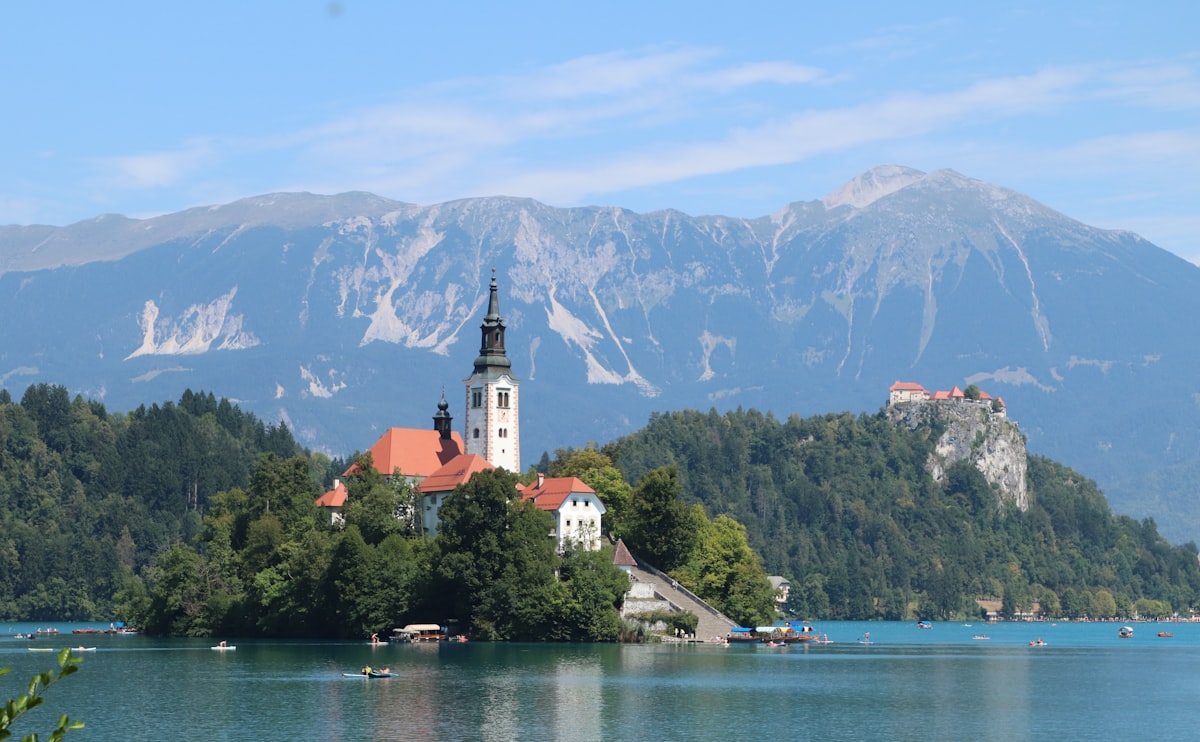
Lake Bled and its island church below the Alps. Photo by Juraj Lazur on Unsplash
Average July high: 24-27°C (75-81°F)
Slovenia is the cheat code of European travel. It borders Italy, Austria, Hungary, and Croatia, pulls the best from all four, and costs less than any of them. Ljubljana, the capital, is walkable, green (it was European Green Capital in 2016), and has a food market along the river that locals actually use.
The country is tiny (you can drive across it in two hours), which means you can do mountains, lakes, caves, coastline, and wine country in a single week without feeling rushed.
What to do: Lake Bled is the postcard shot, and it earns it. Rent a traditional pletna boat or swim to the island. Vintgar Gorge is a 1.6 km boardwalk along emerald rapids, twenty minutes from Bled. Ljubljana's Central Market on Fridays turns into Open Kitchen, an outdoor food festival. If you have time, the Soča Valley has some of the best kayaking and canyoning in Europe.
Getting there: Fly into Ljubljana (LJU) directly, or fly into Venice (VCE) or Vienna (VIE) and take a 3-4 hour train or bus.
Pro tip: Slovenia's Vignette toll system requires a digital pass for highway driving. Buy it online at DARS before you pick up your rental car. A weekly pass is about €15.
8. The Faroe Islands
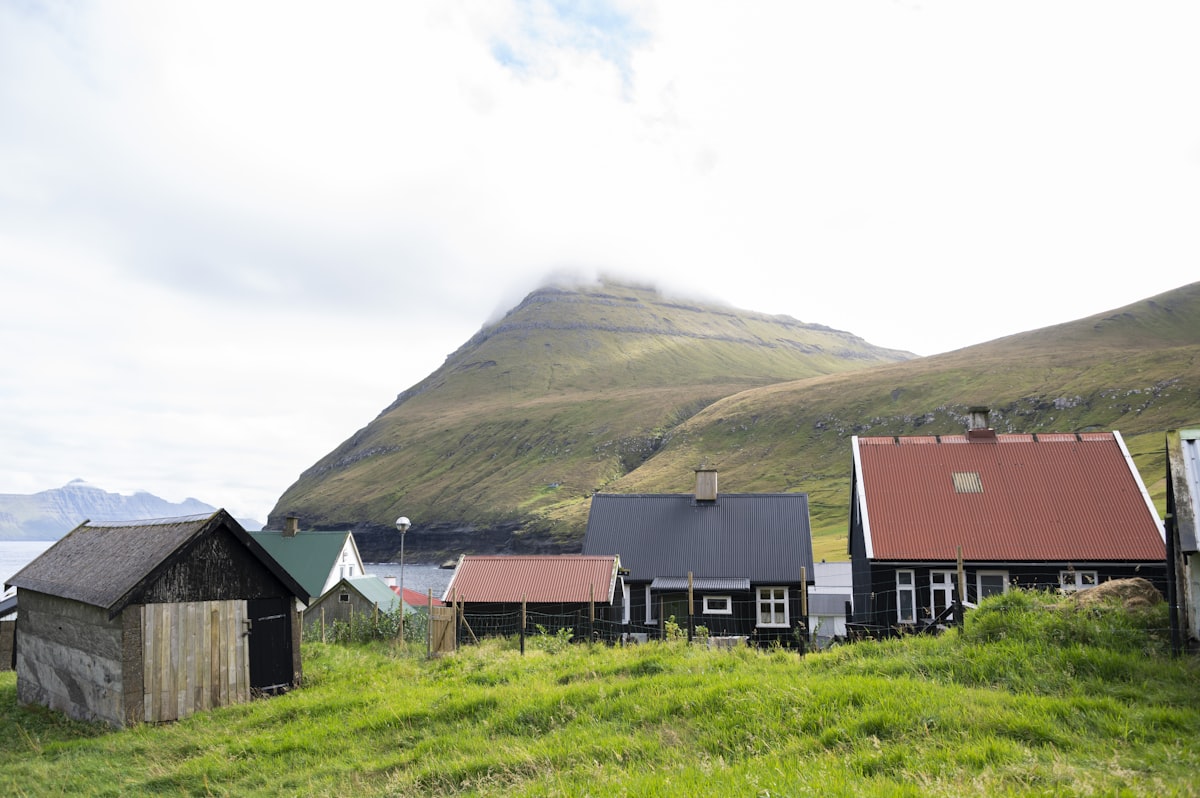
A Faroese village below misty green peaks. Photo by Marianne Lariviere on Unsplash
Average July high: 11-13°C (52-55°F)
This is the extreme end of the coolcation spectrum. The Faroe Islands, a Danish archipelago between Scotland and Iceland, rarely crack 13°C even in peak summer. If you want to wear a sweater in July and mean it, this is your place.
The landscape is surreal: grass-roofed villages perched on cliffs above the North Atlantic, waterfalls that blow upward in the wind, and sheep that outnumber people roughly 2:1.
What to do: Hike to the lake above the ocean at Sørvágsvatn (Leitisvatn), one of the most photographed spots in the Faroes. Visit Múlafossur waterfall in Gásadalur. Take a boat to the Vestmanna sea cliffs for puffin colonies. Tórshavn, the capital, has a population of about 14,000 and a surprisingly good dining scene that punches way above its weight.
Getting there: Atlantic Airways flies from Copenhagen, Edinburgh, and Reykjavik. From the US, connect through Copenhagen (CPH).
Pro tip: Book the helicopter between islands. Seriously. The Faroese government subsidizes inter-island helicopter flights, making them about $20-30 per leg. It's the cheapest helicopter ride in the world, and the views are unreal.
9. Prague and Bohemia, Czech Republic
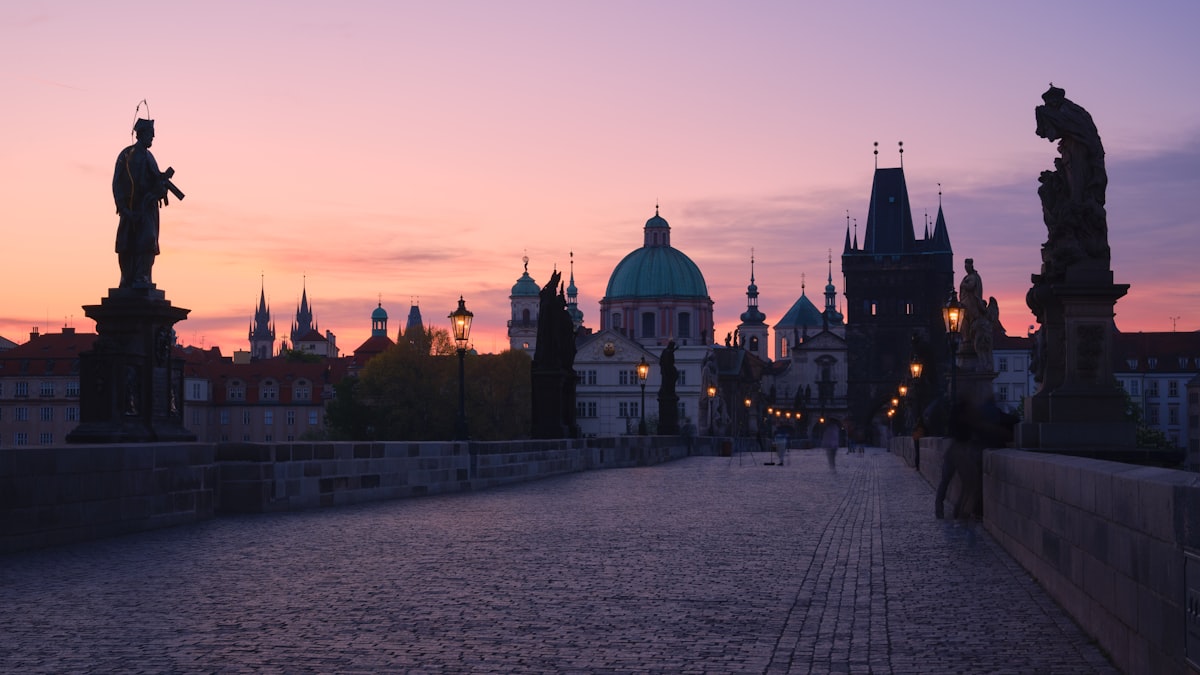
Charles Bridge and Prague Castle at golden hour. Photo by Joshua Kettle on Unsplash
Average July high: 24-26°C (75-79°F)
Prague has always been popular, but it's seeing a genuine surge: US flight searches for Prague are up 180%, according to Google Flights trending data. The draw is obvious. A world-class city with architecture that rivals Paris, beer that costs $2, and summer temperatures 6-8 degrees cooler than the Mediterranean coast.
But the real move is getting outside Prague. Bohemia, the western half of the Czech Republic, has spa towns, medieval castles, and rolling countryside that most American travelers have never heard of.
What to do: In Prague, skip the astronomical clock (it's fine, but the crowd ruins it) and walk to Vyšehrad instead: the same river views, a fraction of the tourists. Drink at a beer garden in Letná Park. Day trip to Český Krumlov, a fairytale town in southern Bohemia that's small enough to walk in an afternoon. Karlovy Vary, a thermal spa town, has been hosting a film festival since 1946 and is gorgeous in summer.
Getting there: Direct flights from New York (JFK) and several US hubs to Prague (PRG). Within Bohemia, Czech Railways (České dráhy) runs frequent, affordable trains.
Pro tip: Czech crowns (CZK) are the local currency, not euros. The exchange rate works heavily in your favor. Use a no-foreign-transaction-fee card and pay in crowns, not euros, when given the option.
Which Destination Fits Your Trip?
Destination | Best For | Temperature | Budget Level | Crowds |
|---|---|---|---|---|
Dolomites | Hikers, nature lovers | Cool (19-23°C) | Medium-High | Moderate |
Norway's Fjords | Adventure seekers | Cool (15-18°C) | High | Low-Moderate |
Estonia | Culture + budget travelers | Mild (20-22°C) | Low | Low |
Montenegro | Beach + culture | Warm (28-31°C) | Low-Medium | Low-Moderate |
Scottish Highlands | Road trippers, whisky fans | Cool (16-18°C) | Medium | Low |
Albania's Riviera | Budget beach lovers | Warm (28-32°C) | Very Low | Low |
Slovenia | All-rounders | Mild-Warm (24-27°C) | Low-Medium | Low-Moderate |
Faroe Islands | Adventure, off-grid | Cold (11-13°C) | Medium-High | Very Low |
Prague + Bohemia | City + history lovers | Mild (24-26°C) | Low | Moderate (Prague) |
Budget levels: Very Low (<$80/day), Low ($80-120), Low-Medium ($120-170), Medium ($170-220), Medium-High ($220-300), High ($300+). Per person, including accommodation, food, and local transport.
Ready to Plan Your European Coolcation?
Picking a destination is the fun part. Sorting out flights, hotels, and a day-by-day plan across multiple countries and time zones? Less fun. Zenvoya's AI trip planner can map out your full itinerary, compare hotel rates, and handle the logistics while you figure out whether you're a "fjords person" or a "Riviera person."