
The best shoulder-season fall destinations: fewer crowds, lower prices, and peak color, with when to go and why.
Fall is the travel sweet spot nobody talks about enough. Summer crowds thin out, kids go back to school, and prices on flights and hotels quietly drop while the weather stays genuinely good. You get grape harvests, red-and-gold foliage, balloon festivals, and empty trails that were packed two weeks earlier. If you're deciding where to travel in fall, this is a roundup of the best places to travel in fall, ranked for shoulder-season value: a mix of US and international fall travel destinations where September, October, and November are arguably the best weeks of the year to go. For each one, you'll get the specific reason fall wins, a real cost or timing detail, and one honest recommendation. We built this list at Zenvoya around a simple test: would we personally rearrange our own calendar to go then? These ten passed.
Fall Trips at a Glance
Best for foliage: Vermont's Green Mountains. Peak color late September to mid-October, moving north to south.
Best for a festival: Santa Fe and Albuquerque, New Mexico. The balloon fiesta plus green chile season.
Best for wine lovers: Napa and Sonoma, California. Harvest ("crush") runs September into October.
Best value abroad: Douro Valley and Porto, Portugal. Grape harvest, warm days, low crowds.
1. Vermont's Green Mountains
Vermont is the place most people picture when they hear "fall foliage," and the numbers back the reputation. Vermont's tourism board notes the state is roughly 70% forested and holds the highest density of sugar maples in the country, the tree behind those loud reds and oranges. Color moves north to south over several weeks, so the Northeast Kingdom peaks in late September while southern Vermont holds into mid-October. The state publishes a free weekly foliage report from mid-September through mid-October, which takes most of the guesswork out of timing.
The move is to drive, not to destination-hunt. Route 100 down the spine of the Green Mountains is the classic run, and the small stops (a cider mill, a covered bridge, a farm stand with warm doughnuts) are the actual point. Base in Stowe or Woodstock and leave whole afternoons unplanned.
Pro tip: Check the weekly foliage report the Wednesday before you travel, then shift your route an hour north or south to chase peak; one week is the difference between "just past it" and "perfect."
2. Acadia National Park, Maine
If you want classic New England fall without the tour buses, go the week after Columbus Day. According to the National Park Service, foliage in Acadia typically peaks in mid-October, and the crush of summer visitors drops off sharply once the seasonal crowds head home. You get crisp mornings, quiet carriage roads, and blueberry barrens turning deep crimson along the coast.
The move here is sunrise on Cadillac Mountain, the first place in the continental US to catch the light for part of the year. Vehicle reservations for the summit road are required in season and sell out fast, so treat this as a book-ahead item, not a spontaneous one.
Pro tip: Cadillac Summit Road vehicle reservations are released on recreation.gov in two batches, a seasonal block and a rolling daily window; set a calendar alert for the daily drop if the early dates are gone.
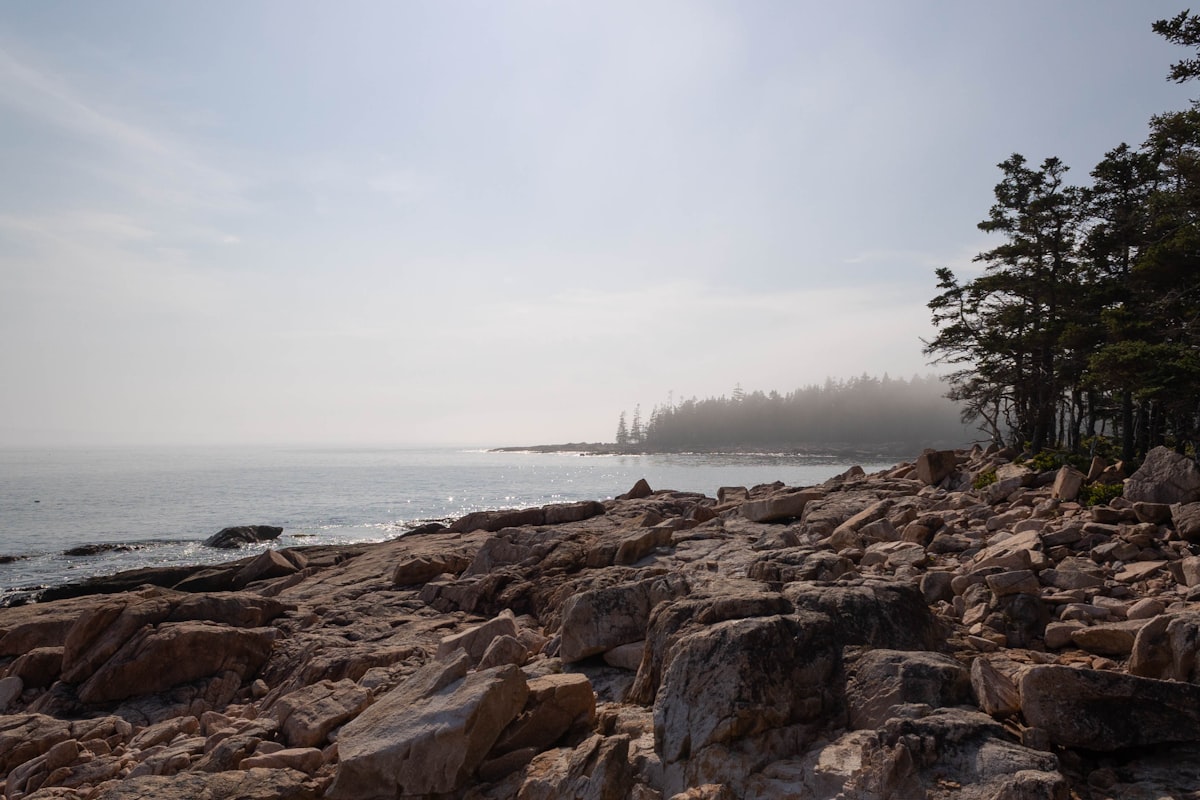
Acadia in fall: fewer crowds, sharper light. Photo by Leslie Cross on Unsplash
3. Asheville and the Blue Ridge Parkway, North Carolina
The Blue Ridge Parkway is a 469-mile ribbon of overlooks, and fall is when it earns its reputation. Because color moves down in elevation over several weeks, the National Park Service notes the parkway has one of the longest foliage windows in the country: higher elevations turn in early-to-mid October, valleys hold color into early November. That means you can arrive "too early" and just drive uphill to find peak.
Base yourself in Asheville. The food scene is legitimately good, the Biltmore Estate goes full harvest mode, and you're 20 minutes from a dozen trailheads. Skip the temptation to drive the whole parkway in one day; pick a 40-50 mile stretch and actually stop.
4. Santa Fe and Albuquerque, New Mexico
Two things collide in New Mexico each fall: green chile season and the balloons. The Albuquerque International Balloon Fiesta runs nine days in early October and launches hundreds of hot air balloons at dawn, the largest event of its kind in the world. An hour north, Santa Fe pairs high-desert light with roasted chile in the air, since harvest peaks late summer into fall per New Mexico's tourism board.
Go for the fiesta's mass ascension, but build in Santa Fe days on either side so you're not just standing in a field at 5 a.m. Canyon Road galleries and a bowl of green chile stew are the antidote to early wake-ups.
Pro tip: Book the fiesta's dawn Balloon Glow and mass ascension days rather than afternoon sessions; wind conditions make morning launches far more reliable.
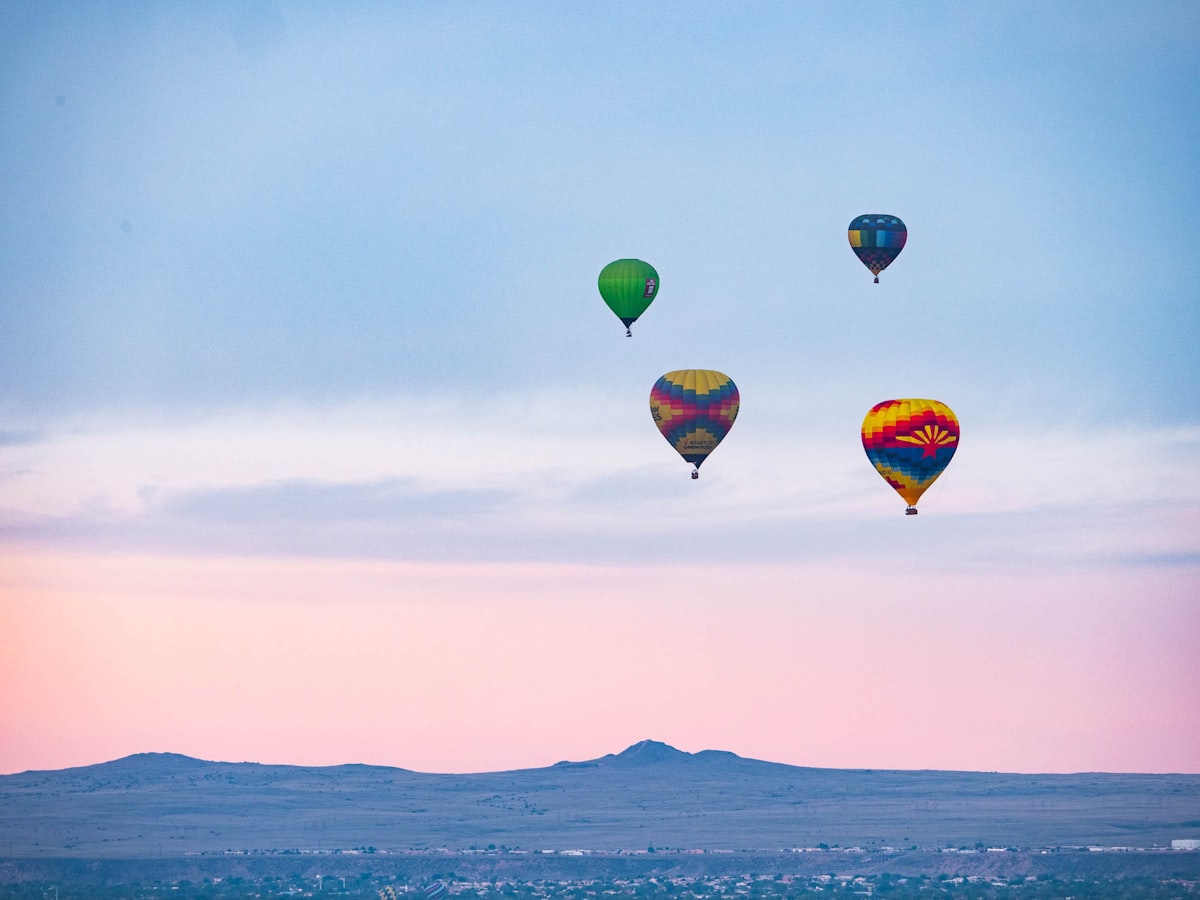
Balloon Fiesta dawn over the high desert. Photo by Raychel Sanner on Unsplash
5. Napa and Sonoma, California
Wine country in fall means "crush," the harvest and pressing season that turns the whole valley into a working operation. Visit Napa Valley describes harvest running from roughly late August through October, with September and October the most active weeks. Vineyards smell like fermenting fruit, tasting rooms buzz, and daytime temperatures sit in a comfortable range after the summer peak breaks.
Sonoma is the smarter base if you want harvest energy without Napa's price tags on every tasting. Go midweek. Weekend traffic on Highway 29 during crush is its own kind of penance, and the best small producers are far easier to book Tuesday through Thursday.
6. Charleston, South Carolina
Charleston in July is a sauna. Charleston in October is one of the best small-city trips in the country. Once the summer humidity breaks, you get warm days, cool evenings, and a run of food and arts events through the fall. Explore Charleston points to autumn as prime festival season, and shoulder-season hotel rates typically ease off the spring wedding-season peak, so you can check current numbers on hotel rate trackers before you lock anything in.
Walk the Battery early, do a Lowcountry boil, and take the ferry out to Fort Sumter when the light is soft. The peninsula is small enough that you barely need a car.
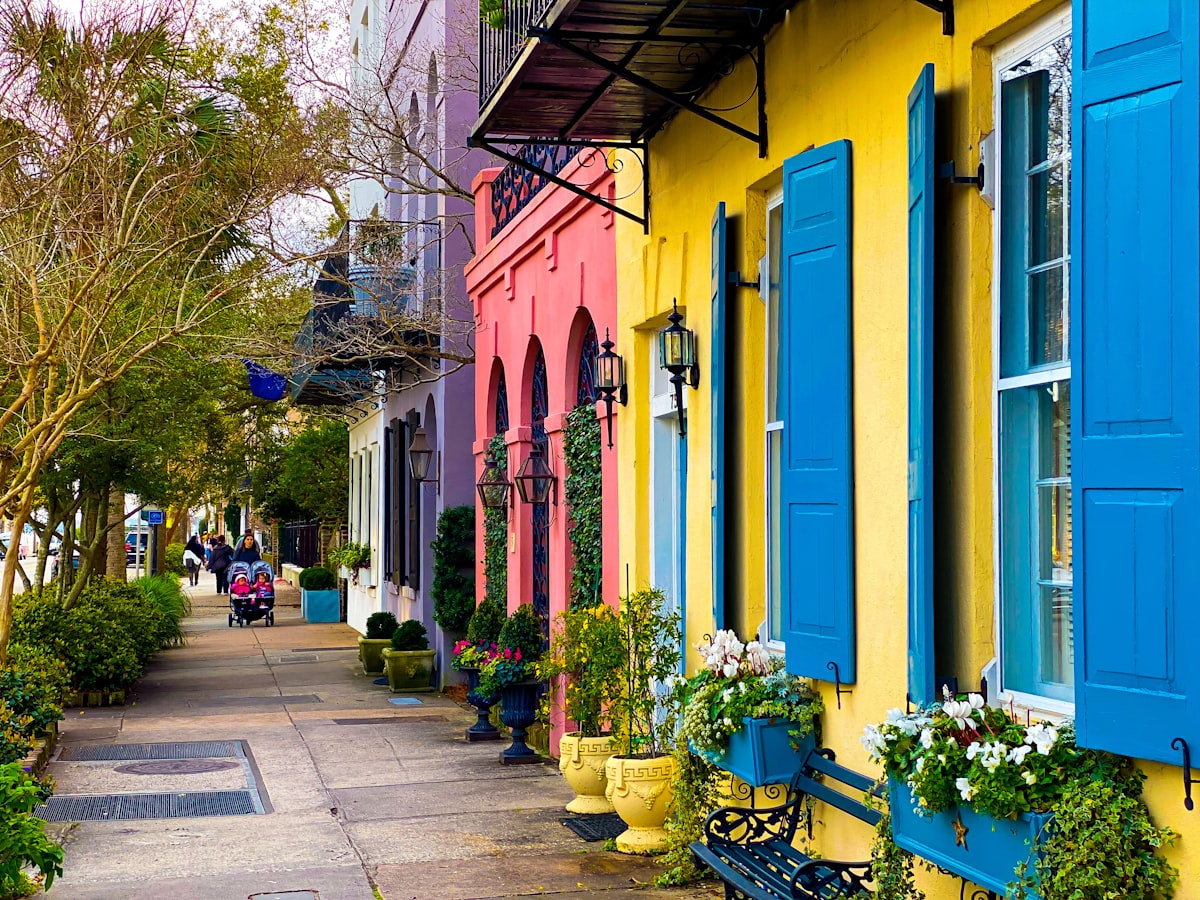
Charleston's pastel streets, minus the summer heat. Photo by Leo Heisenberg on Unsplash
7. Kyoto, Japan
Japan's autumn foliage, called koyo, is the fall version of cherry blossom season, and Kyoto is its capital. The Japan National Tourism Organization places peak color in Kyoto from roughly mid-November into early December, later than most of the country because of the region's timing. Temple gardens, maple-lined paths, and evening illuminations make it worth structuring a whole trip around.
Go early in the day. The famous spots (Tofuku-ji, Arashiyama) fill up by mid-morning, so a 7 a.m. start buys you the shots and the calm. And honestly, some of the best color is in smaller neighborhood temples that don't make the highlight reels.
Pro tip: Reserve a same-day-timed entry where temples offer it, and save one night specifically for an illuminated garden; the lit maples are a completely different experience from daytime.

Kyoto's koyo season rivals cherry blossoms. Photo by Tsuyoshi Kozu on Unsplash
8. Tuscany, Italy
Late September and October in Tuscany is harvest ("vendemmia") season, and the countryside slows down in the best way. Grapes come in, olive pressing starts, and by November the white truffle markets open around towns like San Miniato, per Italy's national tourism site. Summer's heat and crowds are gone, the light goes golden, and agriturismi drop into shoulder-season rates.
Rent a place in the hills between Siena and Montalcino and treat driving as the point, not the commute. If you time it for a village sagra (a local food festival), you'll eat better and cheaper than at any restaurant on a piazza in Florence.
9. Douro Valley and Porto, Portugal
The Douro is one of Europe's most underrated fall trips. September is grape harvest along the terraced river valley, and Visit Portugal highlights it as a working, walkable season with warm days and thinning crowds. Some quintas (wine estates) still invite visitors to join the harvest, and the river cruises run without the summer scrum.
Start in Porto for a couple of days, then take the train up the valley: the line hugs the river and costs a fraction of a tour. This is the international pick I'd push hardest for anyone chasing value; it delivers wine-country romance for well under what Tuscany or Napa runs.
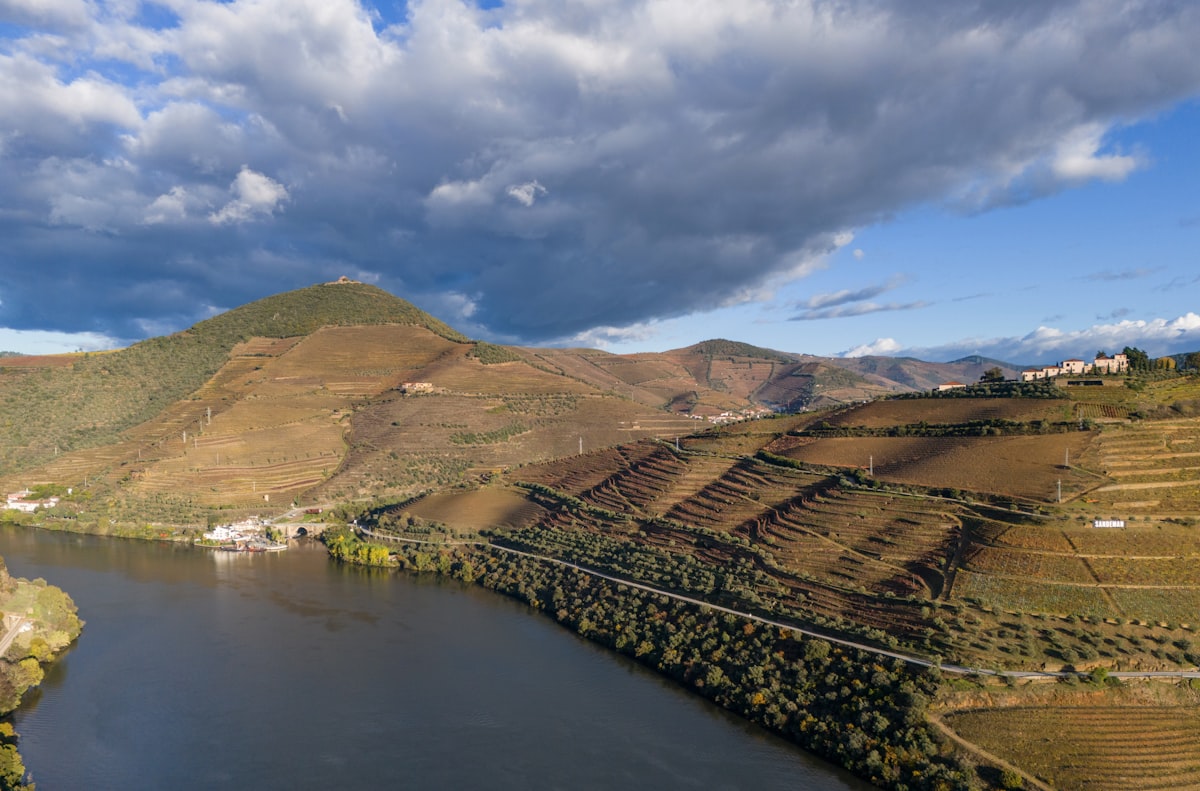
The Douro during vindima, the fall grape harvest. Photo by Bob Brewer on Unsplash
10. Quebec City, Canada
For US travelers who want "abroad" without a long-haul flight, Quebec City in fall is hard to beat. Foliage in the region typically peaks from late September into mid-October, and Bonjour Québec points to the surrounding Laurentians and Île d'Orléans as prime color-drives. The old walled city feels European, the cider and apple harvest is in full swing, and summer festival prices have come down.
Do the walk along the Dufferin Terrace, take the short drive to Montmorency Falls (taller than Niagara), and eat your way through a cabane à sucre-style meal. It's the easiest passport stamp on this list.
Fall Trip Comparison
Destination | Best Fall Weeks | Why Fall Wins |
|---|---|---|
Vermont's Green Mountains | Late September to mid-October | Sugar-maple foliage, classic New England |
Acadia NP, Maine | Mid-October | Peak foliage, summer crowds gone |
Asheville, North Carolina | Early October to early November | Long foliage window by elevation |
Santa Fe & Albuquerque, New Mexico | Early October | Balloon fiesta plus green chile season |
Napa & Sonoma, California | September to October | Harvest "crush," cooler days |
Charleston, South Carolina | October | Humidity breaks, festival season, softer rates |
Kyoto, Japan | Mid-November to early December | Koyo autumn foliage, mild weather |
Tuscany, Italy | Late September to October | Grape and olive harvest, fewer crowds |
Douro Valley, Portugal | September | Grape harvest, warm days, low crowds |
Quebec City, Canada | Late September to mid-October | Foliage, apple harvest, short flight |
Foliage and harvest windows shift year to year with weather; confirm current timing with each destination's tourism board before booking.
A quick way to see why fall pays off: it lines up harvests and festivals with lower demand.
When | What's Happening | Where |
|---|---|---|
September | Grape harvest ("crush," "vendemmia," "vindima") | Napa, Tuscany, Douro Valley |
Early October | Balloon fiesta, green chile season | New Mexico |
October | Peak foliage, harvest festivals | Vermont, Maine, North Carolina, Quebec, Charleston |
November | White truffle season, late koyo foliage | Tuscany, Kyoto |
Timing reflects typical seasonal windows; exact festival dates are published annually by each event and tourism board.
How We Picked These
We ranked for shoulder-season value, not just pretty leaves. Each destination had to clear three things: a genuine reason fall beats summer there (foliage, harvest, a signature event, or a real drop in heat and crowds), a timing window we could pin to an official source, and enough to fill several days without feeling stretched. We leaned on national and regional tourism boards and the National Park Service for foliage and harvest windows, and we skipped places where fall is just "summer minus a few degrees." Prices and peak dates move with the weather every year, so treat the windows above as strong starting points and verify current specifics before you book flights.
Ready to Plan Your Fall Trip?
Shoulder season rewards people who plan a little ahead, since foliage weeks and festival dates are narrow and the best small hotels book up early. Instead of juggling 30 tabs across tourism boards, flight trackers, and hotel sites, you can talk it through with Zenvoya's personal travel concierge. Describe the trip you want (leaf-peeping in Vermont, harvest in the Douro, balloons in New Mexico) and it helps you decide where to go, builds the itinerary, and books flights, hotels, and experiences in one conversation. If plans shift, which they do in fall, it adjusts with you. If you're stitching two stops into one trip, it can map a multi-city route so you're not planning each leg from scratch.
The Bottom Line
If I had to pick one, it's the Douro Valley in September: harvest energy, warm days, real value, and a train ride that beats any tour. For a US trip, Vermont's Green Mountains in early October is the classic call, with color moving north to south so you can drive to find peak. Whatever you choose, the common thread is timing. Fall's best weeks are short, and they land right when demand drops, so the reward for planning ahead is real. When you're ready to turn a shortlist into an actual itinerary, Zenvoya's AI travel agent can pull the whole trip together so you spend less time planning and more time watching the leaves turn.